



World
How US Strategy in Iran Faces Mounting Challenges as Conflict Enters a New Phase
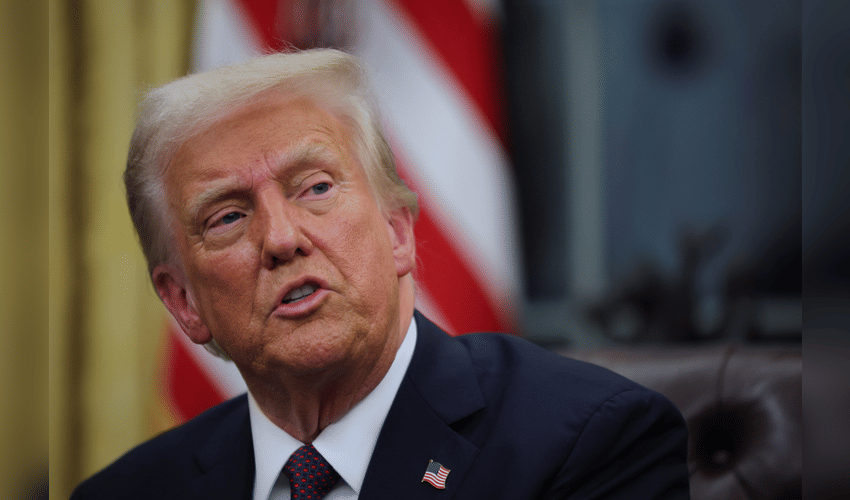

The United States' efforts to pressure Iran through military action, economic sanctions, and diplomatic isolation have become increasingly complicated, with experts suggesting that many of Washington's objectives remain out of reach. Instead of producing a quick strategic victory, the prolonged confrontation has exposed the limitations of military force and intensified concerns about regional stability.
When the US increased pressure on Tehran, officials hoped that a combination of targeted strikes and sanctions would weaken Iran's military capabilities and compel its leadership to negotiate from a position of weakness. However, recent developments indicate that the conflict has become far more difficult to manage than initially anticipated.
Despite repeated military operations, Iran has continued to demonstrate its ability to respond through missile capabilities and its network of regional allies. While American strikes have reportedly damaged parts of Iran's military infrastructure, analysts say Tehran has retained enough capacity to prolong the confrontation, preventing Washington from achieving a decisive outcome.
The lack of a clear military breakthrough has also complicated diplomatic efforts. Several attempts to revive negotiations have produced little progress, as both countries remain deeply distrustful of each other's intentions. Every fresh round of hostilities has further narrowed the space for meaningful dialogue, making a negotiated settlement increasingly difficult.
The conflict has also created economic uncertainty well beyond the Middle East. Investors and governments continue to monitor developments around the Strait of Hormuz, one of the world's most critical energy corridors. Any disruption to shipping through the narrow waterway has the potential to affect global oil supplies, fuel prices, and international trade. Although major disruptions have so far been avoided, markets remain sensitive to the possibility of further escalation.
At home, the conflict has become a growing political issue for the United States. Questions are being raised over the financial cost of prolonged military engagement, the long-term strategic goals of the campaign, and the legal authority for continued operations. The debate has intensified in Washington as lawmakers seek greater clarity on the administration's plans and the prospects for ending the confrontation.
Iran continues to face significant internal economic challenges, including high inflation, unemployment, and the impact of years of international sanctions. However, these domestic pressures have not translated into the political concessions that many policymakers in Washington had expected. Instead, Iranian leaders have largely maintained their position, arguing that continued resistance is essential despite mounting economic difficulties.
Security experts believe the conflict demonstrates the complexity of modern geopolitical crises, where military superiority alone is often insufficient to achieve political objectives. They argue that sanctions can weaken an economy but may not necessarily change strategic decision-making, while prolonged conflicts tend to create unintended consequences that affect both regional and global stability.
For now, there is little indication that either side is prepared to significantly alter its approach. With military tensions persisting and diplomatic channels making only limited progress, the US-Iran confrontation appears set to remain one of the most significant geopolitical flashpoints in the Middle East. Analysts warn that unless both sides return to sustained negotiations, the conflict could continue to generate economic uncertainty, regional instability, and heightened security risks for the international community.
Disclaimer: This image is taken from NDTV.



