



News
Groundwater Levels Remain Largely Stable Despite 19 percent Monsoon Rainfall Shortfall
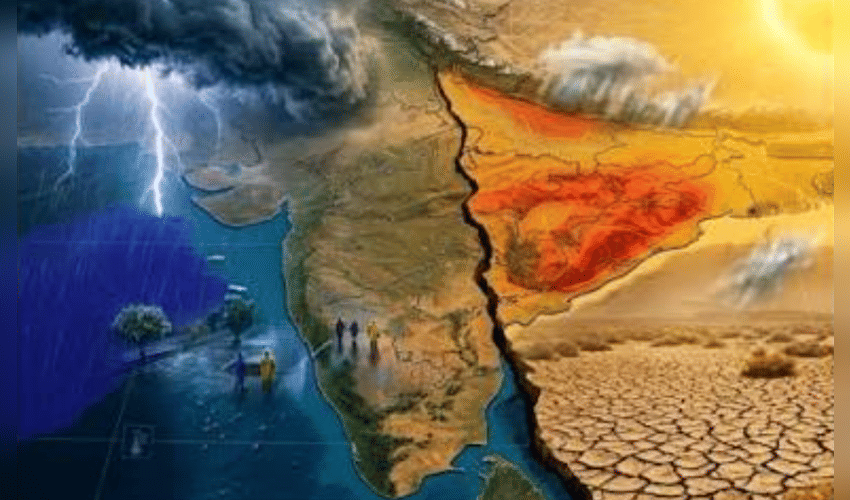

India has managed to maintain largely stable groundwater levels despite the southwest monsoon recording a cumulative rainfall deficit of around 19%, providing some relief as concerns grow over water availability and the impact on agriculture. According to the latest groundwater assessment, the below-normal rainfall has not yet translated into a significant nationwide decline in groundwater reserves. Experts attribute this resilience to multiple factors, including groundwater recharge from previous seasons, rainwater harvesting initiatives, and ongoing watershed conservation efforts.
Groundwater is a critical source of water for India, meeting a large share of the country's irrigation, drinking water, and industrial needs. Its stability is particularly important during years when rainfall remains below average, as millions of farmers rely on wells and borewells to irrigate crops. Hydrologists note that groundwater does not react immediately to short-term changes in rainfall. Instead, aquifers respond over longer periods, depending on cumulative precipitation, soil conditions, recharge rates, and water extraction patterns. As a result, a temporary monsoon deficit does not necessarily lead to an immediate fall in groundwater levels.
However, experts have cautioned that the current situation should not be viewed as a reason for complacency. If rainfall continues to remain below normal in the coming weeks or groundwater extraction increases significantly during the crop season, pressure on underground water reserves could intensify.
The uneven distribution of monsoon rainfall also remains a concern. While some parts of the country have received near-normal showers, several regions continue to experience prolonged dry spells. Such regional imbalances could affect groundwater recharge locally, even if the national average remains relatively stable. Agriculture remains highly dependent on the progress of the monsoon. Adequate rainfall during the remaining weeks of the season will not only improve soil moisture but also replenish reservoirs, rivers and groundwater aquifers, reducing dependence on groundwater for irrigation.
Water management experts have reiterated the need for sustained investments in rainwater harvesting, artificial groundwater recharge, watershed development and efficient irrigation practices such as drip and sprinkler systems. These measures are considered essential to strengthening India's long-term water security in the face of increasingly erratic weather patterns linked to climate change. The stable groundwater situation offers a positive sign for the country's water resources. Nevertheless, the performance of the remaining monsoon season will be crucial in determining water availability for agriculture, drinking purposes and industry in the months ahead.



