



News
Fuel prices remain higher in non-BJP-ruled states due to steeper VAT rates and additional local levies.
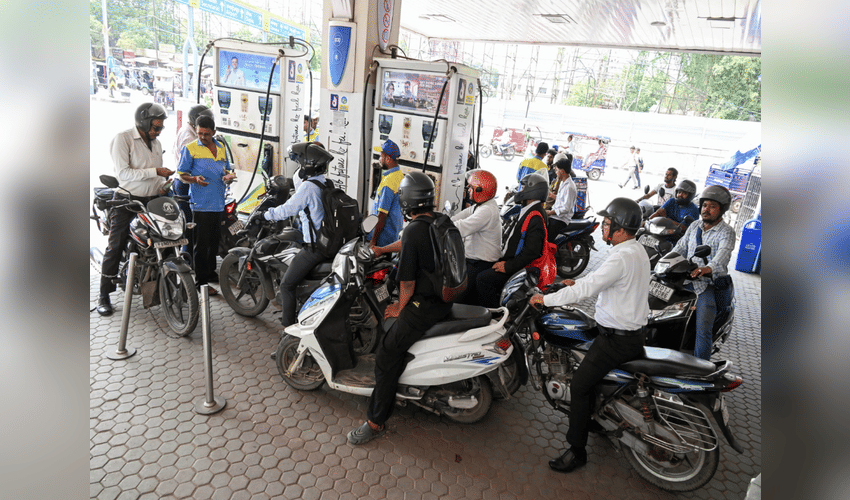

Although the Centre maintains a uniform excise duty structure across India, fuel prices continue to differ significantly between states due to varying VAT rates and additional local taxes imposed by state governments. Non-BJP and INDIA-bloc governed states generally levy higher VAT, road cesses, and other charges, resulting in steeper petrol and diesel prices for consumers.
While the Union government’s excise duty remains the same nationwide, the final retail fuel price largely depends on state taxation policies. BJP-ruled states typically maintain lower fuel prices because of relatively moderate VAT rates and fewer additional levies. In contrast, several opposition-ruled states impose heavier taxes, increasing the burden on consumers.
After recent revisions by oil marketing companies (OMCs), states such as Andhra Pradesh, Telangana, and Kerala continue to record some of the highest fuel prices in the country. Petrol prices in Andhra Pradesh and Telangana are close to ₹116 per litre due to elevated state taxes. Andhra Pradesh imposes a 31% VAT along with an extra ₹4 per litre charge and a road development cess, taking the effective tax burden to nearly 35%.
Similarly, petrol prices in Kerala have crossed ₹113 per litre in many cities because of high base VAT and an added social security cess introduced by the state government. On the other hand, BJP-governed states like Gujarat, Uttar Pradesh, and Haryana report some of the lowest petrol prices, generally ranging between ₹95 and ₹98 per litre. Delhi, Goa, and Assam also maintain relatively lower fuel costs due to lighter state taxes and minimal local cesses.
The major reason behind these regional price differences is state-level VAT policy rather than the Centre’s uniform excise duty system. The issue has gained attention following recent fuel price hikes by OMCs, triggered by rising global crude oil prices amid geopolitical tensions in West Asia. As a result, petrol prices increased by ₹4.74 per litre and diesel by ₹4.82 per litre.
To reduce the impact on consumers, the Union government lowered excise duties and reduced its own tax share. One of the largest interventions saw petrol excise duty reduced to ₹3 per litre and diesel excise duty brought down to zero. Another major reduction came on March 27, 2026, when excise duty on both petrol and diesel was cut by ₹10 per litre during the global energy crisis. However, several opposition-ruled states did not reduce their VAT rates following these central tax cuts. Since VAT is calculated as a percentage of the base fuel price, consumers in these states continue to face higher retail fuel prices, making the overall cost heavily dependent on the taxation decisions of individual state governments.
Disclaimer: This image is taken from ANI.