



Politics
From Punjab to Karnataka, Congress Faces Mounting Internal Turmoil Amid Leadership Challenges
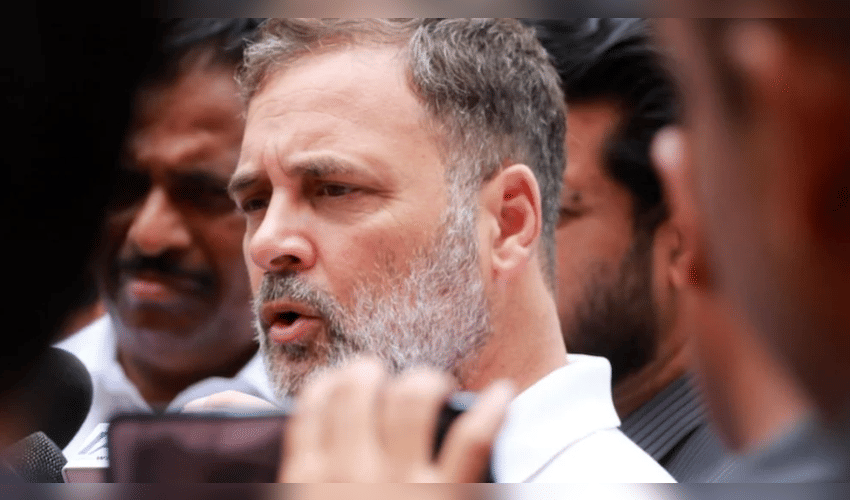

The Congress party is once again battling internal unrest across multiple states, with fresh political tensions emerging in Punjab and Karnataka. While the party continues to position itself as the BJP's principal national challenger, recent developments suggest that managing internal divisions has become one of its biggest political tests.
In Punjab, differences between the state leadership and senior party figures have intensified ahead of the 2027 Assembly elections. The Congress high command has reportedly cautioned leaders against activities that could weaken the party from within, amid growing concerns over factional politics involving camps led by Punjab Congress chief Amarinder Singh Raja Warring and former Chief Minister Charanjit Singh Channi.
The leadership's intervention comes as public disagreements and competing political camps have increasingly dominated headlines, raising questions about the party's preparedness for the upcoming electoral battle. Political analysts believe prolonged infighting could dilute Congress' campaign strategy in a state where it hopes to regain power.
A similar challenge has surfaced in Karnataka, where the recent cabinet expansion has triggered resentment among several Congress legislators. The exclusion of some senior MLAs from the new ministry reportedly led to resignations and open expressions of dissatisfaction, exposing fault lines within the ruling party. The Congress high command deputed senior leader Randeep Singh Surjewala to Bengaluru to engage with dissatisfied legislators and restore internal cohesion. His visit is seen as an attempt to prevent the growing discontent from affecting the government's stability.
The political developments in Karnataka have continued to evolve, with Legislative Council Chairman Basavaraj Horatti announcing his resignation amid political realignments, paving the way for Congress leader Saleem Ahmed to assume the post. The move is expected to strengthen the party's position in the Council even as it navigates internal disagreements over power-sharing.
Political observers note that internal disagreements are not uncommon in major parties. However, when such disputes become public, they often overshadow policy initiatives and provide political opponents with an opportunity to question the party's organizational discipline. For Congress, the challenge extends beyond resolving individual disputes. The party must balance regional leadership ambitions, accommodate competing political interests, and maintain unity across states where it is either in power or seeking electoral revival.
With key elections approaching over the next two years, the Congress leadership is expected to focus on strengthening organizational discipline and preventing factional rivalries from affecting its electoral prospects. Whether these interventions succeed in restoring unity remains to be seen, but for now, the party's internal management appears to be as significant a challenge as its political contest with the opposition.