



Economy
EAC-PM Chairman said India needs 7-8 percent growth for a "Viksit Bharat," driven by private investment and higher exports.
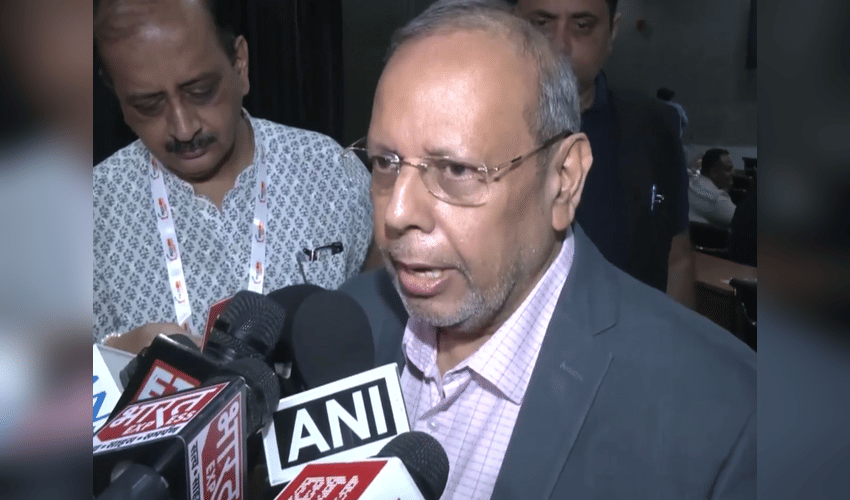

India needs to maintain a steady growth rate of 7–8% to achieve the vision of “Viksit Bharat” by 2047, and this will largely depend on a revival in private investment and strong export performance, according to Mahendra Dev, Chairman of the Economic Advisory Council to the Prime Minister (EAC-PM).
Speaking on the sidelines of the FICCI India Innovative Crop Nutrition Conclave 2026, he said that reforms undertaken in recent years have already laid the foundation for this growth path. He stressed that achieving the target will require sustained investment, with the private sector playing a key role alongside export expansion. He also pointed to the importance of the government’s “Atmanirbhar Bharat” initiative.
Dev clarified that self-reliance does not mean reducing imports or moving away from global trade. Instead, it aims to strengthen domestic capabilities and improve product quality through increased competition, enabling higher export potential. He added that India’s demographic dividend and improvements in technology and skills will support long-term growth toward becoming a developed nation by 2047.
The government has also identified 100 products where domestic production can replace imports, as part of efforts to reduce dependency and improve resilience. Alongside this, initiatives to improve ease of doing business and living standards are intended to strengthen the economy against external shocks. He noted that contingency planning has improved since the COVID-19 period, helping the country better withstand global disruptions.
On agriculture, he highlighted a policy shift towards reducing reliance on chemical fertilisers and increasing adoption of organic and natural farming practices to ease subsidy pressures. He also pointed out that falling global urea prices—from about USD 900 to USD 450—will help reduce subsidy costs.
Regarding the macroeconomic outlook, he said India has sufficient pulse stocks to keep food inflation under control, though global risks such as geopolitical tensions in West Asia and El Niño conditions remain concerns. He said he broadly aligns with RBI projections of 6.6% growth and 5.1% inflation.



