



World
China Expanding AI Surveillance Push Sparks Global Privacy and Human Rights Concerns.
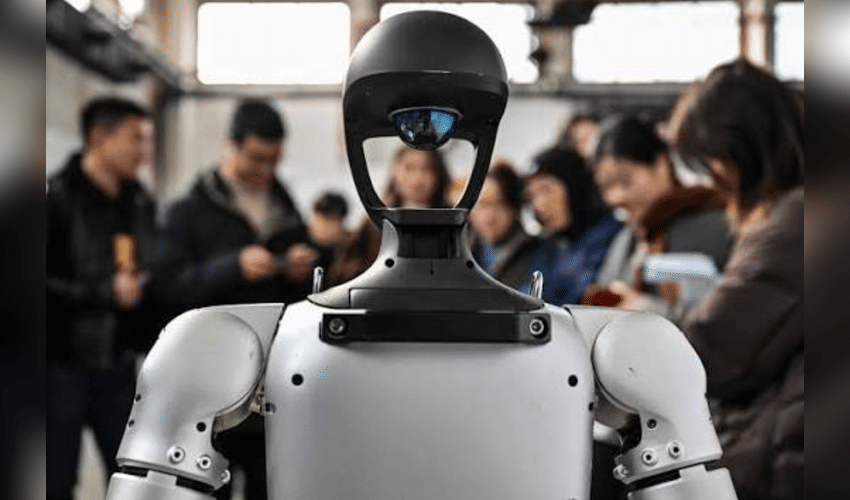

China is taking another significant step in expanding its surveillance capabilities, with new policies and artificial intelligence-powered technologies raising fresh concerns among human rights groups, privacy advocates, and governments worldwide. While Beijing says these measures are designed to strengthen national security and social stability, critics argue they could dramatically increase state monitoring and further limit personal freedoms.
A new law centered on promoting "ethnic unity" has come into effect in China, giving authorities broader powers to enforce national integration policies among the country's ethnic minority communities. The legislation also extends beyond China's borders by allowing legal action against individuals accused of promoting separatism or undermining national unity, even if they are living overseas. This unprecedented reach has prompted concern from international observers, who fear it could affect Chinese diaspora communities as well as activists abroad.
At the same time, artificial intelligence is becoming an increasingly important part of China's security infrastructure. The country already operates one of the world's largest surveillance networks, consisting of millions of cameras supported by facial recognition, vehicle tracking, and advanced computer vision technologies. AI is now being integrated into these systems to automate monitoring, analyze patterns of behavior, and help authorities respond more quickly to potential security threats.
What makes this new phase particularly significant is the growing use of predictive AI. Instead of simply identifying people after an incident occurs, researchers say newer systems are being developed to analyze digital footprints, online activity, personal relationships, and behavioral trends to estimate who could become a future security risk. Although there is limited public evidence that such predictive systems are fully operational, leaked research and procurement documents suggest that Chinese companies are actively investing in this direction.
Supporters of these technologies argue that AI can improve public safety by helping police detect emergencies, locate missing persons, reduce crime, and manage large public gatherings more efficiently. AI-powered surveillance can also assist with traffic management, disaster response, and other smart-city applications that benefit everyday life. As with many emerging technologies, the challenge lies in balancing security benefits with individual rights.
Human rights organizations, however, remain deeply concerned about the broader implications. They argue that widespread AI monitoring could discourage free expression if citizens believe their actions, conversations, or online activity are constantly being analyzed. Minority communities, political activists, journalists, and government critics are viewed as particularly vulnerable to increased scrutiny under such systems. International organizations have repeatedly called for greater transparency and stronger safeguards to prevent misuse of AI-powered surveillance.
The debate is not limited to China. Governments around the world are investing heavily in artificial intelligence for law enforcement and national security, making questions about privacy, accountability, and ethical AI increasingly global. As surveillance technology becomes more sophisticated, experts say countries will need clear legal frameworks that define how AI can be used, who has access to collected data, and what protections exist for ordinary citizens.
Another issue attracting attention is the international export of surveillance technology. Chinese companies have supplied AI-powered monitoring systems to multiple countries, allowing similar technologies to be deployed beyond China's borders. This has fueled concerns among digital rights advocates that advanced surveillance capabilities could spread to regions with weaker privacy protections or limited legal oversight.
Artificial intelligence continues to transform industries ranging from healthcare to transportation, but its growing role in surveillance highlights one of the technology's most controversial applications. The coming years are likely to shape how governments around the world balance innovation, public security, civil liberties, and individual privacy. China's latest policies and AI investments have placed that debate firmly in the global spotlight.
As AI capabilities continue to evolve, the conversation is shifting from what technology can do to what it should be allowed to do. The decisions made today about regulation, oversight, and ethical use may determine how future societies balance technological progress with the protection of fundamental human rights.



