



Economy
CEA Proposes E10 Petrol Option Alongside E20 Amid Growing Consumer Concerns
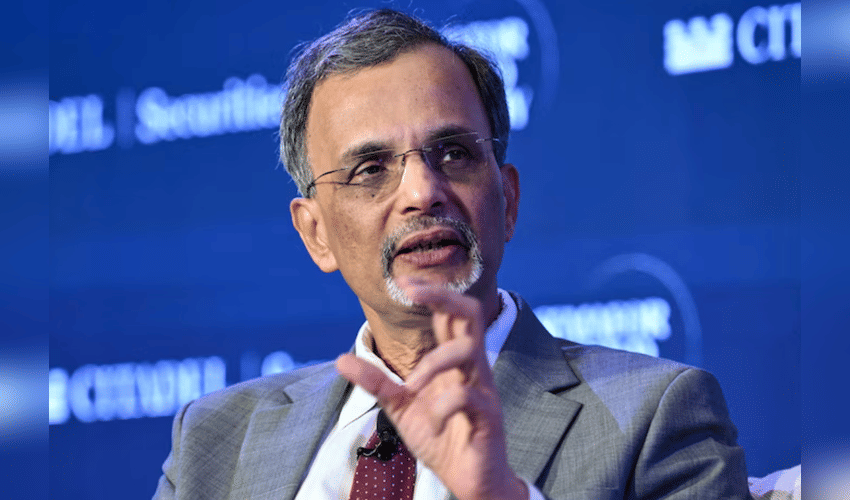

India’s Chief Economic Adviser V. Anantha Nageswaran has backed the availability of E10 petrol alongside E20, saying the move could ease growing public concerns over the country’s ethanol-blending policy. E20 petrol, which contains 20% ethanol, became the sole petrol variant available at fuel stations nationwide from April 1. The policy is part of the government’s broader strategy to reduce India’s dependence on imported crude oil and lower emissions.
The nationwide shift to E20 has triggered concerns among vehicle owners over fuel efficiency, engine performance and the long-term impact on certain automobile components. Many consumers have taken to social media to demand that lower-ethanol petrol options be restored. In an opinion article published in The Indian Express, Nageswaran argued that offering E10 as an alternative to E20 would help address much of the public anxiety. The article was jointly written with Akash Poojari, a consultant with the Department of Economic Affairs, and the authors clarified that the views expressed were personal.
The intervention is notable because senior government officials rarely publicly advocate an approach that differs from the government’s stated position. The oil ministry had not immediately commented, while the government said last month that it had no proposal to bring back lower-ethanol fuels such as E0 or E10.
The discussion comes amid renewed debate within the automobile industry over the impact of E20. Recent reports indicated that leading automakers had privately raised concerns related to the fuel, shortly before an industry body submitted and subsequently withdrew a letter of complaint to the government. Nageswaran and Poojari acknowledged that available evidence does not establish that E20 causes engine damage. However, they highlighted potential challenges for older vehicles, particularly those equipped with rubber seals and other components that were not designed to withstand higher ethanol concentrations.
India has an estimated 75–80 million older two-wheelers, making compatibility a significant concern. Replacing ethanol-sensitive components across such a large existing fleet could take several years. The authors therefore suggested that policymakers should focus on protecting older vehicles while the broader retrofit process is gradually implemented. Making E10 available alongside E20, they argued, could provide consumers with greater choice during this transition.



