



World
Araghchi Hails Mecca Defence Pact, Says Muslim Unity Can Overcome Every Challenge
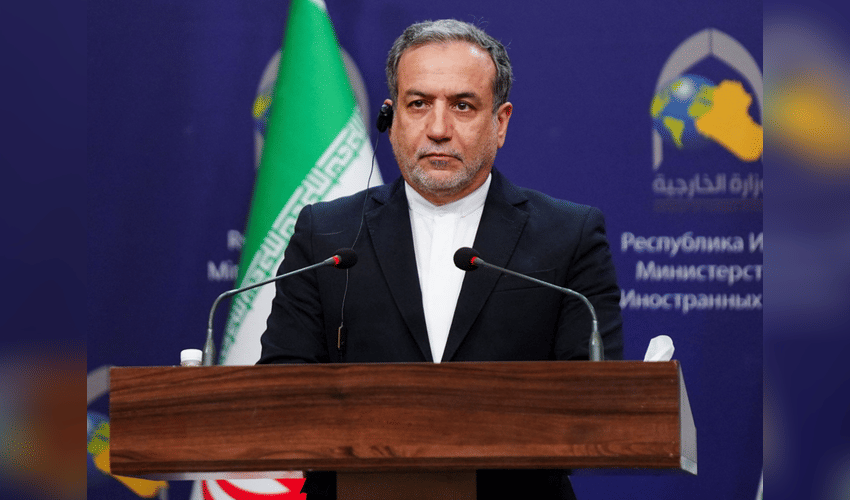

Iranian Foreign Minister Seyed Abbas Araghchi has urged Muslim-majority countries to strengthen regional cooperation and become more self-reliant in dealing with security challenges, following what he described as a strong showing by Iran's armed forces against the United States. In a post shared on X on Friday, Araghchi praised Iran's military capabilities and called on neighbouring countries and Muslim nations to stand together in the face of external pressure.
Referring to the US military, he said Iran's armed forces had demonstrated their preparedness and strength against one of the world's most powerful military forces. Araghchi also stressed the importance of solidarity among Muslim countries, arguing that greater unity would help the region respond more effectively to outside threats. He called for greater reliance on domestic capabilities and closer cooperation based on what he described as genuine brotherhood.
His comments came shortly after Saudi Arabia, Turkey and Pakistan signed a new tripartite defence agreement in Mecca amid growing tensions across West Asia. Known as the Mecca Joint Defence Agreement, the pact is aimed at expanding security and military coordination between the three countries. Under the agreement, an armed attack against any one of the three signatories would be treated as an attack against all three.
The deal also commits the countries to strengthening cooperation across various areas of defence and improving their collective deterrence capabilities. The agreement was signed during a high-level meeting involving Saudi Crown Prince Mohammed bin Salman, Turkish President Recep Tayyip Erdogan and Pakistan Prime Minister Shehbaz Sharif in Saudi Arabia.
The pact comes at a time when regional security concerns have intensified. Saudi Arabia has faced attacks on infrastructure and energy-related facilities amid the wider conflict involving Iran and its regional allies. Drone and missile strikes have added to concerns over the security of the kingdom's strategic and petroleum assets. Turkey's relations with Israel have also faced increasing strain, particularly over the Gaza conflict, while tensions surrounding Iran, Lebanon and other parts of the region have added to the broader security crisis.
Against this backdrop, the Mecca agreement represents an effort by the three countries to deepen their defence partnerships and strengthen their ability to respond collectively to potential threats. The development also comes as US President Donald Trump has expressed confidence that the conflict involving Iran could come to an end in the near future. Trump said Iran may not be able to sustain the confrontation for much longer and pointed to ongoing diplomatic efforts involving the Strait of Hormuz.
The waterway remains strategically important to global energy markets because a significant share of international oil shipments passes through it. Trump has also reiterated Washington's position that Iran should not be allowed to develop a nuclear weapon, while expressing optimism about negotiations aimed at reducing tensions around the crucial maritime route. With regional alliances shifting and security concerns continuing to grow, Araghchi's call for greater Muslim solidarity highlights Tehran's broader push for stronger regional cooperation and reduced dependence on outside powers.
Disclaimer: This image is taken from ANI.



