



News
Upa Lokayukta Takes Suo Motu Action Against 54 Officials Over Hampi Homestay Violations
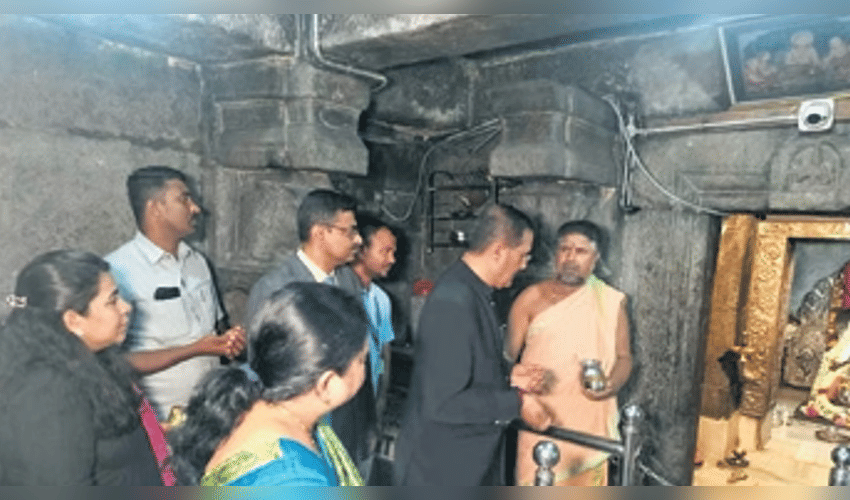

Karnataka Upa Lokayukta Justice B. Veerappa has initiated suo motu proceedings against 54 government officials over alleged lapses in preventing unauthorised homestays and commercial activities in the protected areas surrounding Hampi. The action followed an inspection of the Hampi World Heritage Area, during which concerns were raised over the operation of tourism-related establishments without the necessary approvals. According to reports, officials informed the Upa Lokayukta that around 250 homestays were operating without mandatory permissions or licences from the concerned gram panchayats or the Hampi World Heritage Area Management Authority (HWHAMA).
The establishments are reportedly spread across the Core, Buffer and Peripheral zones of the heritage area. These zones are subject to regulations intended to protect Hampi's archaeological remains, monuments and historic landscape from unregulated construction and commercial development. The proceedings involve officials associated with HWHAMA and various local and administrative authorities in the Hosapete and Koppal areas. Officials from different levels of administration, including those responsible for local governance and enforcement, have been asked to explain why action was allegedly not taken against establishments operating without the required approvals.
The Upa Lokayukta has also sought information about the permissions granted to commercial establishments in the heritage area and the circumstances under which some properties were allegedly allowed to operate. Questions have reportedly been raised over how such establishments obtained basic services, including electricity connections, despite restrictions applicable to construction and commercial activity in protected areas.
The matter has drawn attention because of the special status of Hampi, one of India's most important heritage destinations and a UNESCO World Heritage Site. The area attracts a large number of domestic and international tourists every year, creating significant demand for accommodation, restaurants and other tourism-related services. However, authorities face the challenge of balancing tourism growth with the need to preserve the site's historic character.
The Upa Lokayukta's intervention has therefore placed renewed focus on the enforcement of development regulations around Hampi. While homestays can provide an important source of income for local residents and support tourism, unauthorised construction and commercial activity in protected zones can create long-term risks for the heritage landscape.
Vijayanagara Deputy Commissioner Kavitha S. Mannikeri has said that information is being collected from the departments concerned. She reportedly clarified that permission had not been granted for the construction of homestay buildings in restricted areas and indicated that appropriate action would be considered after the relevant records are examined.
The officials named in the proceedings are now required to respond to the allegations and provide details of the action taken by their respective departments. The inquiry is expected to examine whether there were failures in monitoring, whether complaints were acted upon and how unauthorised establishments were able to continue operating.
The proceedings are currently at the inquiry stage and do not by themselves establish wrongdoing by all 54 officials. Their responses and the records examined during the investigation will determine whether further administrative or legal action is required. The case has once again highlighted the growing pressure on authorities to regulate tourism infrastructure around Hampi while ensuring that commercial development does not come at the cost of the heritage site's archaeological and cultural importance.



