



News
Understanding West Bengal's electoral rolls following SIR and the adjudication process
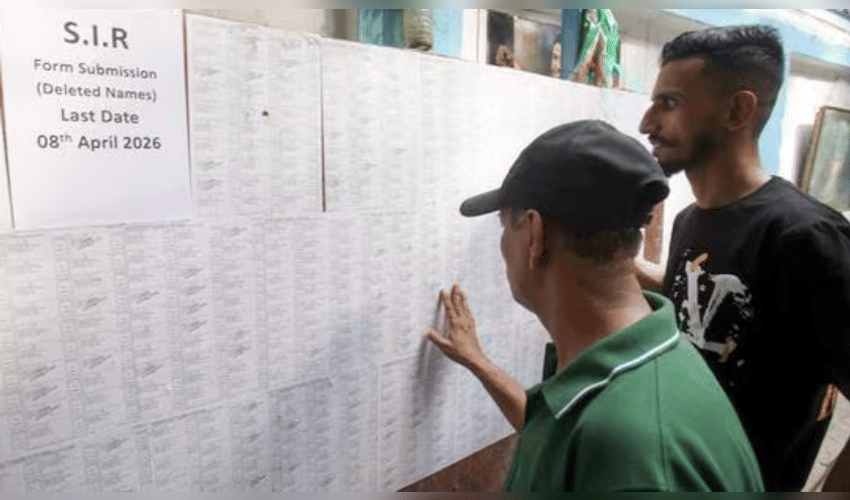

West Bengal's electoral rolls have undergone a massive overhaul following the Special Intensive Revision (SIR) and a rigorous adjudication process, slashing nearly 9 million names from the voter list and sparking debates over transparency and political fallout. The Election Commission of India (ECI) wrapped up the phased publication of the final 2026 voter lists last month, confirming an 11.6% drop in the state's electorate—the second-highest among major states after Gujarat. This comes after judicial officers reviewed over 6 million "logical discrepancy" (LD) cases flagged during the SIR, with about 45% of those under scrutiny ultimately deemed ineligible.
In a move directed by the Supreme Court, the Calcutta High Court deployed Additional District Judges to handle the LD claims, requiring written reasons for each decision and limiting proofs to documents like Aadhaar cards, Class 10 certificates, and admit cards. Out of 6 million cases, nearly all but 22,000 have been resolved, bringing closure to a process that began with hearings across the state in February.
ECI officials hailed the outcome as a success in purging ghost voters and duplicates, drawing parallels to Bihar's 2025 SIR that removed millions of invalid entries. "This leaner, verified list sets a new standard for electoral integrity ahead of the Assembly polls," an ECI spokesperson noted during the final rollout.
Opposition voices, however, cried foul, alleging the algorithm-driven flags disproportionately hit certain demographics and lacked openness. Reports from The Reporters' Collective even claimed the ECI may have misled the Supreme Court on SIR data earlier this year. With West Bengal's next elections looming before 2027, parties are recalibrating strategies for a shrunken voter base, especially in tight marginal seats.
The ECI urges checking status on the Voter Helpline app or portal and submitting proofs if flagged—13 options are accepted to restore names swiftly. "If your details mismatch, act fast; appeals now have judicial backing," advised election expert Dr. Aruna Roy, citing the documented decisions as a safeguard against future disputes. As India eyes similar revisions in states like Uttar Pradesh, West Bengal's SIR experiment underscores the tension between cleanup efficiency and democratic trust—proving that clean rolls are only as good as the process behind them.



