



Asia In News
Two resignations and rising border tensions add to the challenges facing Nepal's new government.
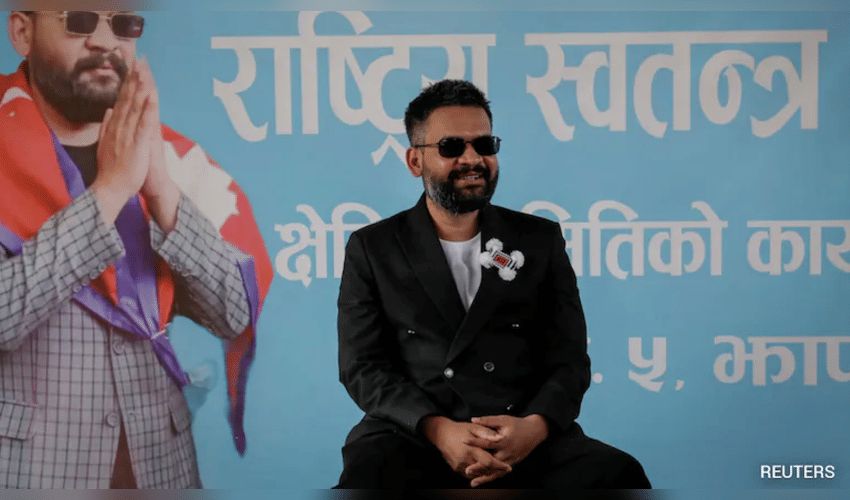

Last year, Nepal underwent a significant political shift driven largely by Gen-Z voters, reshaping its power structure. Riding on widespread public frustration and hope, a new government came to power with promises of reform and a clear departure from past practices. However, within just a month, concerns have begun to emerge about whether the leadership is living up to expectations.
Since 35-year-old rapper-turned-politician Balen Shah assumed office as prime minister, his administration has already faced instability. In less than four weeks, two ministers have resigned, raising doubts about the government’s credibility. These developments have dented Shah’s reformist image and the commitments made by his party, the Rastriya Swatantra Party, which had promised transparency and action against corruption.
Home Minister Sudan Gurung stepped down following questions over his investments and personal dealings, stating that accountability and integrity should take precedence over holding office. Earlier, Labour Minister Dipak Kumar Sah resigned just 13 days after taking office amid allegations that he misused his position to secure a role for his wife. For now, Shah has taken charge of the Home Ministry until a replacement is appointed.
Public frustration has also been growing, particularly along the India-Nepal border. A new policy requires people bringing goods worth more than 100 Nepali rupees from India to pay customs duty, and authorities have begun enforcing it strictly through checks and confiscations. This has hit border communities hard, as many rely on affordable goods from India for daily needs, sparking anger that has spread across social media. Confusion has been further fuelled by claims from some officials that the directive may not be formally documented.
At the same time, economic pressures are mounting. Following tensions linked to the Iran-US conflict, fuel prices in Nepal have risen sharply, with petrol increasing from around 150 to nearly 225 Nepali rupees. This surge has driven up the cost of living, intensifying public dissatisfaction. Nepal currently ranks 109th out of 180 countries on Transparency International’s Corruption Perceptions Index, and the combination of early controversies, ministerial resignations, and unpopular policies has placed the new government under close scrutiny.
Disclaimer: This image is taken from NDTV.