



World
Trump's 15-Point Ultimatum to Iran: Reopen Hormuz, Ditch Nukes to End War
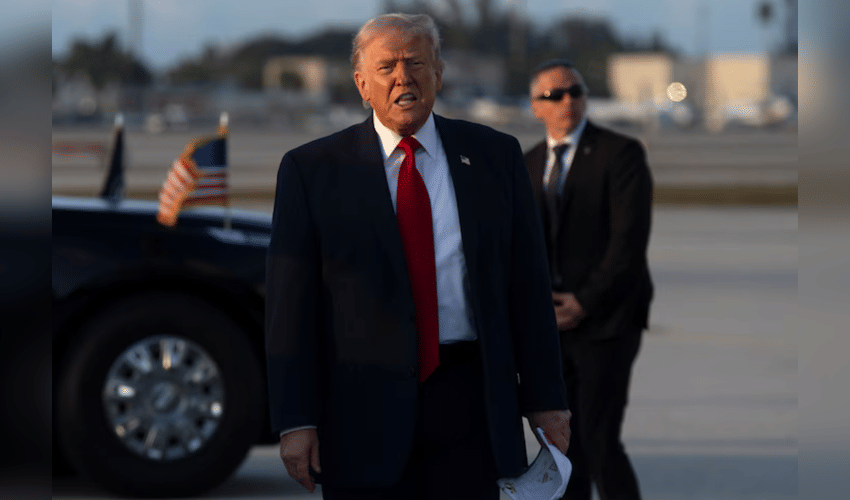

In a high-stakes bid to end the escalating Iran war, President Donald Trump's administration has delivered a hard-hitting 15-point plan to Tehran via Pakistan, demanding an immediate nuclear rollback, full reopening of the Strait of Hormuz, and a shutdown of proxy militias like Hezbollah and Hamas.
The proposal, first leaked to Israeli media and now buzzing across global outlets, kicks off with a 30-day ceasefire to pave the way for talks led by Trump's envoys, including Steve Witkoff and Jared Kushner. Key demands include zero uranium enrichment on Iranian soil, dismantling of nuclear sites, and handing over stockpiles—offset by U.S. backing for civilian nuclear power at Bushehr.
Beyond nukes, the plan insists Iran cease all arms and funding to regional proxies fueling conflicts in Yemen, Lebanon, and Gaza. The crown jewel: unrestricted access to the Hormuz Strait, which carries one-fifth of the world's oil and whose blockade has driven prices past $120 a barrel, squeezing economies from Europe to India.
Trump's "peace through strength" blueprint echoes his Abraham Accords success, prioritizing verifiable steps over vague promises that doomed the old JCPOA deal. Analysts note Iran's battered missile arsenal and strained defenses make compliance tempting, though Supreme Leader Mojtaba Khamenei is likely to decry it as capitulation.
Rejection risks intensified U.S.-Israeli airstrikes and deeper sanctions, potentially pulling in Russia or China. Acceptance could stabilize oil markets below $100/barrel by summer and ease proxy flare-ups, marking a potential pivot in Middle East dynamics. Pakistan's mediation role underscores shifting alliances, with eyes now on Iran's response. As one expert put it, "This isn't negotiation—it's a roadmap with an expiration date." Stay tuned for developments from key leaks in Channel 12 and WSJ reports.



