



Asia In News
Tarique Rahman calls Bangladesh home to Muslims, Hindus, and Christians amid unrest.
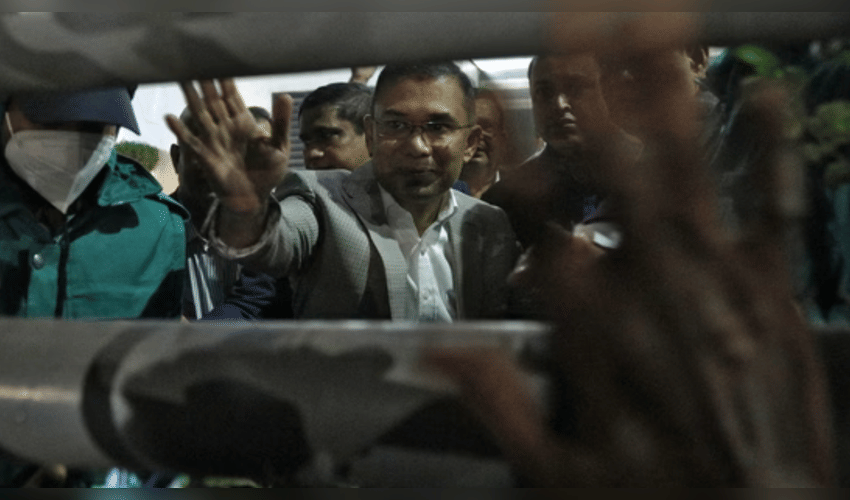

Bangladesh Nationalist Party (BNP) acting chairman Tarique Rahman has called for unity across religious and ethnic lines, declaring that Bangladesh belongs equally to Muslims, Hindus, Christians, Buddhists and all communities. His statement comes amid intensifying unrest in parts of the country ahead of the upcoming national elections.
Addressing supporters shortly after his return to Dhaka from 17 years of exile, Rahman appealed for calm and inclusivity, urging citizens to “build a country where people of every faith and background can live with dignity and peace.” Crowds gathered across the capital to welcome him, with thousands lining up on key roads near the airport.
Rahman’s speech comes at a volatile moment. The interim administration led by Nobel laureate Muhammad Yunus continues to face widespread protests and violent clashes. The recent killing of BNP youth leader Sharif Osman Hadi and repeated attacks against Hindu minorities have further deepened public concern over law and order.
In his address, Rahman invoked the values of the 1971 Liberation War and called for “a Bangladesh of the people, not of fear.” Analysts say this marks a strategic shift for BNP, historically criticized for aligning with Islamist groups. His secular message and outreach to minorities may signal an attempt to broaden support ahead of the February 2026 general elections. With the ruling Awami League banned from contesting, political observers see Rahman’s BNP as the leading contender. His emphasis on social harmony, safety, and national unity is being viewed as both a moral appeal and an electoral strategy.
Regional experts note that the message could also help ease tensions with India, which has been closely watching reports of minority attacks and migration across the border. If BNP’s inclusive tone continues, it may alter the political landscape of post-Hasina Bangladesh, where communal harmony has become both a political necessity and a test of leadership. As Rahman himself declared, “This nation belongs to everyone — people of the hills and the plains, of every religion and walk of life.” Whether this call for unity can withstand the current wave of unrest will likely define Bangladesh’s next political chapter.



