



World
Saudi Tanker Targeted by Houthis, Trump Issues New Warning to Iran as Kuwait Faces Drone Attacks: Key Updates
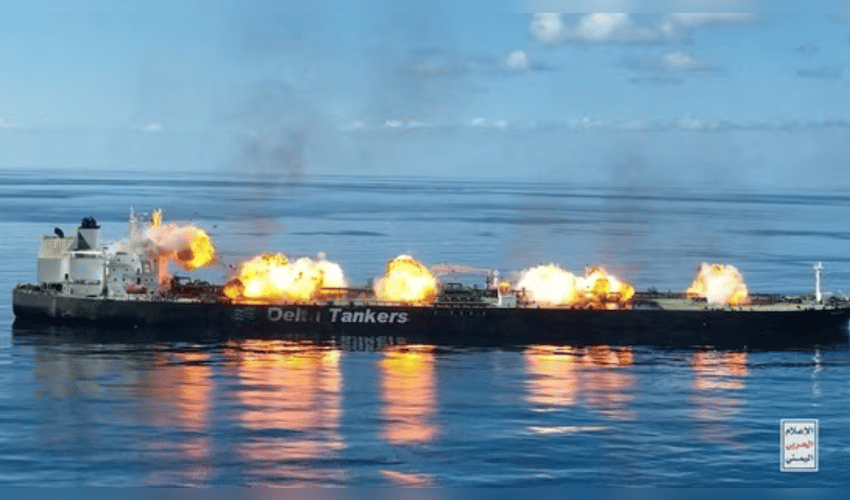

Tensions in the Middle East have escalated after a series of incidents involving Saudi oil tankers, fresh warnings from U.S. President Donald Trump toward Iran, and reported drone activity in Kuwait. The developments have triggered concerns over regional security, global energy supplies, and the possibility of a wider conflict. Yemen’s Houthi movement has claimed responsibility for an attack on Saudi oil tankers in the Red Sea, marking another escalation in its campaign against Saudi Arabia and its allies. The group said the operation was part of its broader response to ongoing regional tensions and warned that more maritime attacks could follow.
The Red Sea region has become a major security hotspot due to its importance for international shipping. The Bab el-Mandeb Strait, which connects the Red Sea with the Gulf of Aden, serves as a key route for global trade, with large volumes of commercial goods and energy shipments passing through the area. Any disruption to shipping activities could create delays, increase transportation costs, and put additional pressure on global markets.
U.S. President Donald Trump has issued a fresh warning to Iran amid rising tensions between Washington and Tehran. Trump said the United States would respond strongly to any threats against American interests or its allies in the region. The statement comes at a time when concerns are growing over possible military confrontation involving Iran and U.S.-backed forces.
Iran has maintained that it will defend its interests and respond to any attacks, raising fears that continued exchanges of threats could lead to a broader regional crisis. Analysts believe that even a limited military confrontation could have consequences for energy markets, international trade, and diplomatic relations. Adding to the uncertainty, Kuwait has reported drone-related security incidents, prompting authorities across the Gulf to increase monitoring around sensitive locations, including energy facilities and military installations. The growing use of drones in conflicts has become a major security challenge for countries in the region due to their ability to target important infrastructure with relatively low-cost technology.
The latest developments have also drawn attention from global oil markets. Investors are closely watching the situation as any threat to major oil shipping routes could affect crude prices and increase concerns over supply stability. The Strait of Hormuz and the Red Sea remain among the most closely monitored waterways because of their importance to global energy transportation.
The situation highlights the fragile security environment in the Middle East, where tensions between regional powers and international players continue to create uncertainty. While diplomatic efforts remain important to prevent further escalation, continued attacks and military warnings have increased fears of a wider confrontation. Governments, energy companies, and financial markets are now closely monitoring developments as the region faces another period of heightened instability.