



News
Pune employee considers quitting after manager denies leave despite heavy rainfall
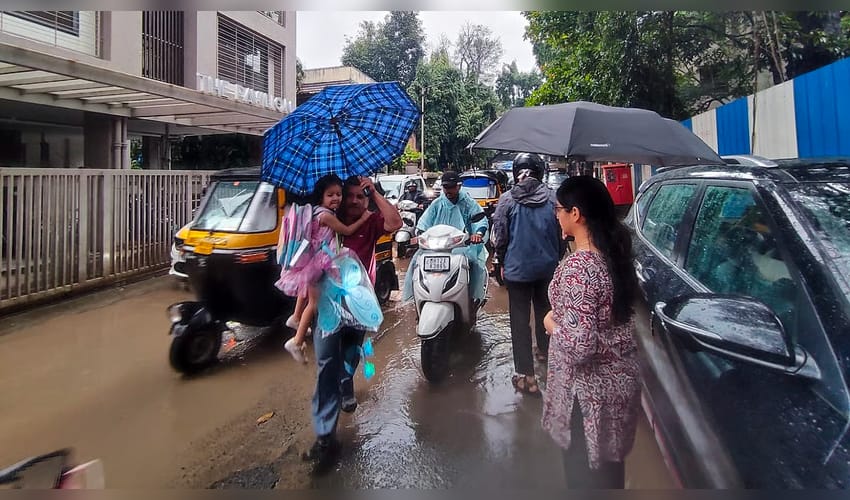

A workplace dispute in Pune has sparked a wider conversation about employee welfare after a professional shared that his manager refused to approve leave despite heavy rainfall and widespread road disruptions. The incident, which surfaced through a screenshot of a WhatsApp conversation posted on Reddit, quickly went viral and reignited debates over workplace flexibility, safety and managerial empathy during extreme weather conditions.
According to the viral post, the employee informed his manager that he would be unable to report to the office because heavy rain had caused road closures and made commuting unsafe. Instead of granting leave or suggesting remote work, the manager reportedly asked him to use public transport, hire a cab or find another way to reach the office. The leave request was eventually declined, with the manager stating that other employees had also managed to travel despite the difficult conditions.
The exchange gained traction online after the employee's friend shared it on Reddit, mentioning that he was seriously considering resigning over the incident. Thousands of users joined the discussion, with many criticizing the manager's response and arguing that employee safety should take priority during severe weather events. Others pointed out that organizations should have contingency plans, including work-from-home options or flexible attendance policies, whenever heavy rains disrupt normal life.
The timing of the incident added to public concern because Pune was experiencing intense monsoon conditions that resulted in waterlogged roads, traffic congestion and the evacuation of hundreds of families from flood-prone areas. Authorities advised residents to remain cautious as several parts of the city struggled with flooding and transportation delays. Against this backdrop, many social media users felt expecting employees to commute under such circumstances was unreasonable.
The discussion also highlighted a broader issue in India's corporate sector—how companies balance productivity with employee well-being. While some organizations have embraced hybrid and remote working models, others continue to require physical attendance even when external conditions make commuting difficult. Human resource professionals often note that flexibility during emergencies not only protects employees but also strengthens trust between staff and management.
Many commenters contrasted the viral incident with their own workplaces, saying their employers had encouraged staff to work from home during the rains or had given employees the option to take leave without unnecessary pressure. Others argued that exceptional situations such as floods, road closures and natural disasters should be treated differently from routine attendance issues.
The episode has also revived conversations around workplace culture and leadership. Modern management practices increasingly emphasize empathy, open communication and risk awareness rather than rigid adherence to attendance policies. Experts believe that employees who feel supported during difficult situations are generally more engaged, productive and loyal over the long term.
At the same time, career advisers caution against making impulsive decisions based on a single incident. They recommend documenting workplace concerns, discussing issues with human resources where possible and evaluating whether the problem reflects a broader pattern before deciding to resign. However, they also acknowledge that repeated disregard for employee safety or well-being can become a legitimate reason for seeking a healthier work environment.
As the viral post continues to circulate across social media, it has become more than just a story about one rejected leave request. It has evolved into a larger discussion about what employees should reasonably expect from their employers during emergencies and how organizations can build workplaces that value both accountability and compassion. In an era where work-life balance is receiving greater attention, incidents like these serve as reminders that effective leadership is measured not only by business results but also by how companies respond when their employees need understanding the most.
Disclaimer: This image is taken from Freepressjournal