



Asia In News
Pakistan: Karachi Climate March urges transition to clean energy, end to fossil fuel dependence
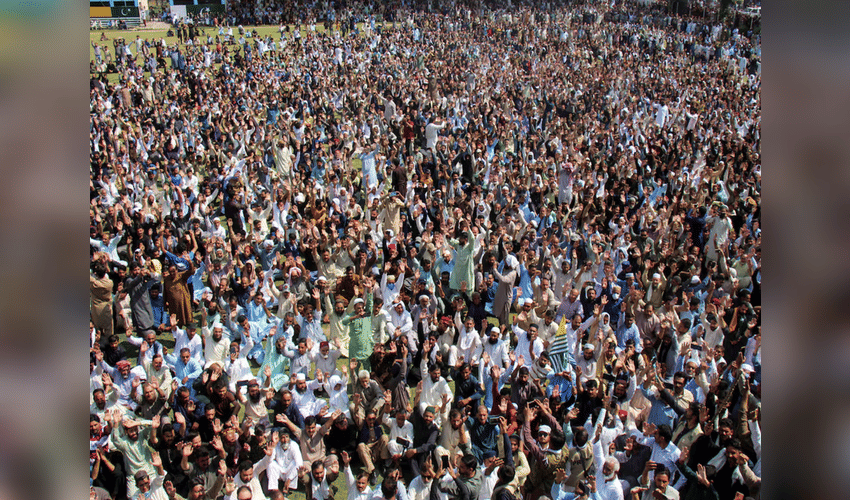

People from diverse walks of life took part in Climate March 2025 in Karachi to raise concerns about the worsening effects of climate change on the city, Pakistan, and the world, according to Dawn. Organised by civil society groups, the march began at Frere Hall and ended at the Karachi Press Club, drawing a large crowd that included rights activists, labour union members, students, women, and children.
Participants held placards, banners, and chanted slogans to highlight environmental issues. Messages such as “There is no Planet B,” calls to phase out coal, demands for protection from polluted air and wastewater, and slogans asserting the “Right to Life” were prominently displayed. Some protesters staged symbolic acts by lying on the road, while others carried placards linking climate change to economic and feudal systems. Several demonstrators also wore Palestinian keffiyeh scarves and waved Palestinian flags in solidarity with Palestine.
Addressing the gathering, labour leader Nasir Mansoor said climate change disproportionately impacts the working class, citing deaths and displacement caused by heatwaves and heavy rainfall. He noted that most victims of previous heatwaves belonged to labour communities. While calling for a shift from fossil fuels to renewable energy, he stressed that workers’ jobs must be protected and that labour organisations should be consulted during the transition.
Zehra Khan, Secretary General of the Home-Based Women Workers Federation, highlighted the growing problem of heat stress among women workers, particularly in garment factories, where extreme temperatures often lead to workers fainting. She said existing safety laws fail to address heat stress leave and urged lawmakers to introduce legal protections.
Environmental activist Yasir Darya called for an urgent transition away from fossil fuels, including greater adoption of electric vehicles and electric buses for public transport. He noted that although a Chinese electric vehicle company is setting up a plant in Sindh, more such initiatives are needed to reduce costs and enable exports. He added that Pakistan currently has only a few hundred electric buses, with very limited numbers operating in Karachi, blaming government negligence for the slow progress.



