



Asia In News
Pakistan-Administered Kashmir Election Turns Spotlight on 12 Disputed Assembly Seats
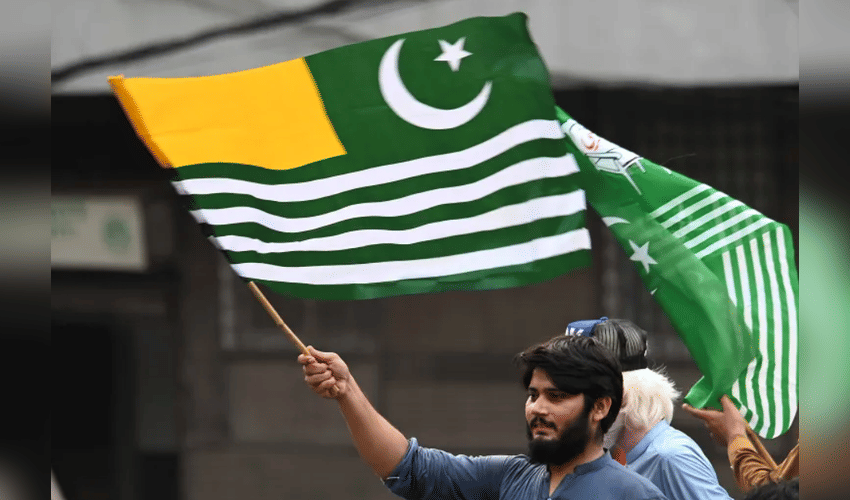

Voting is underway in Pakistan-administered Kashmir as residents elect a new legislative assembly, but political observers say the outcome could ultimately depend on 12 controversial refugee seats that have become the focus of a heated constitutional and political debate. The legislative assembly includes directly elected representatives from constituencies across the region, along with a number of reserved seats. Among the most debated are 12 seats allocated to refugees from Jammu and Kashmir who live in different parts of Pakistan rather than in Pakistan-administered Kashmir itself. These constituencies are voted on by eligible refugee populations residing outside the territory, making them unique within the electoral system.
The issue has gained prominence because these seats could play a decisive role in determining which political party or coalition secures a majority in the assembly. With several major parties locked in a close contest, even a small shift in these constituencies could influence the formation of the next government.
The refugee seats have also sparked intense political debate. Critics argue that representatives elected by voters living outside the territory should not have such a significant influence over the region's governance. They contend that the arrangement raises questions about democratic representation and local autonomy.
Supporters, however, defend the existing system, saying the refugees remain an integral part of the wider Kashmir issue and deserve political representation because they were displaced from their ancestral homes during the conflict. They argue that removing the seats would exclude a community with longstanding historical and legal ties to the region.
The Supreme Court of Pakistan-administered Kashmir upheld the constitutional validity of the 12 refugee seats, ruling that they cannot be abolished without a constitutional amendment. The verdict cleared the way for the seats to remain part of the ongoing election despite demands from some groups seeking electoral reforms.
The elections are taking place against the backdrop of recent political unrest, with the region witnessing protests over governance, economic issues and constitutional reforms in recent months. Analysts believe these developments have made this election one of the most closely watched in recent years. As vote counting progresses, political attention is expected to remain firmly fixed on the 12 disputed refugee constituencies. Their results could not only determine the composition of the next government but also shape future discussions on electoral reforms and the political structure of Pakistan-administered Kashmir.