



Economy
OMC fuel marketing margins have recovered and are now higher than pre-conflict levels, a report said.
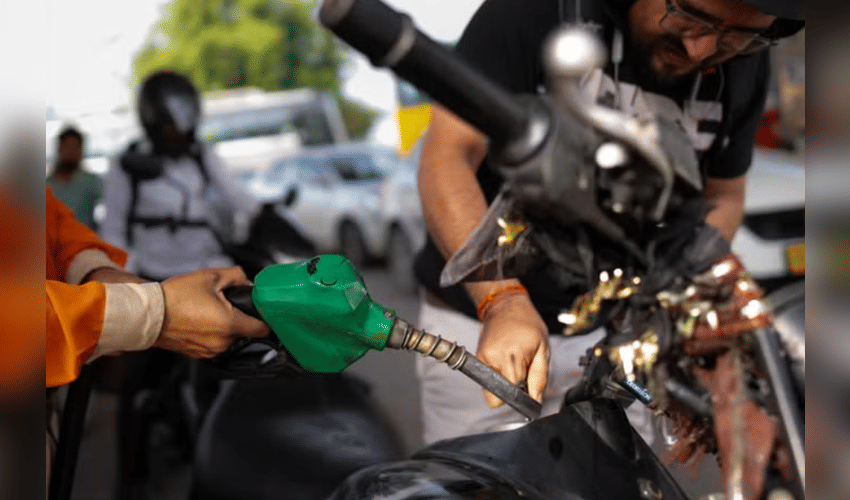

State-run oil marketing companies (OMCs) are expected to see an improvement in profitability as declining crude oil prices boost fuel marketing margins. However, rising debt levels and uncertainty around fuel taxation may cap the sector’s long-term earnings visibility, according to a JP Morgan report. The report notes that combined margins on petrol and diesel sales for state-owned refiners and fuel retailers have now climbed above pre-West Asia conflict levels. This improvement has been driven mainly by softer crude oil prices and reductions in central excise duties.
During the West Asia conflict, global oil prices surged sharply, but retail fuel prices in India remained largely unchanged for a significant period, increasing only marginally. Even after a ₹7.50 per litre hike in petrol and diesel prices in May, retail rates stayed below cost recovery levels. JP Morgan highlighted that its estimated composite margins for petrol and diesel are currently higher than pre-war levels. While liquefied petroleum gas (LPG) losses remain elevated, they are expected to ease gradually as oil prices decline. The firm added that while April–June quarter earnings will likely be impacted by inventory losses, profitability is expected to improve in the following quarter.
However, the report also pointed out two key concerns. First, OMCs have likely accumulated significant debt in recent months, which could weigh on valuations. Second, a large part of the margin recovery is linked to lower excise duties, which may not be permanent. The brokerage noted that the government may keep taxes subdued for some time to allow companies to recover financially, but the risk of future excise duty hikes cannot be ruled out. In March, the government reduced excise duties on petrol and diesel by ₹10 per litre each to prevent a sharp rise in retail prices. These taxes could be revised once global oil prices stabilise at lower levels.
Among the major state-run OMCs—Bharat Petroleum Corporation Limited (BPCL), Indian Oil Corporation (IOC), and Hindustan Petroleum Corporation Limited (HPCL)—BPCL and IOC are expected to benefit more in the near term if crude prices continue to ease. JP Morgan estimates that current composite margins for BPCL and IOC have exceeded pre-conflict levels, while HPCL’s margins have recovered to or above earlier benchmarks. This reflects improved refining and marketing performance, even though standalone marketing margins remain below long-term averages.
Stronger margins could support earnings from the second quarter onwards, especially if crude oil prices stay below $80 per barrel and refining margins remain healthy. Still, the first quarter is expected to remain weak due to inventory losses caused by the recent drop in crude prices. Analysts also anticipate higher borrowing levels across OMCs, as companies absorbed losses on petrol, diesel, and LPG sales in recent months. Although LPG losses remain high, they are expected to gradually reduce as lower crude prices filter through the system.
A key factor supporting the improvement in fuel margins has been the government’s decision to maintain lower excise duties, allowing OMCs to retain a larger share of retail fuel prices. Analysts estimate that these duty cuts represent a significant annual revenue sacrifice for the government. This raises questions about how sustainable the current profitability trend is. While the government may allow OMCs to benefit from stronger margins in the near term to help reduce debt, there is also the possibility that fuel taxes could be increased again to meet fiscal needs.
JP Morgan expects strong earnings performance for OMCs in the December and March quarters if crude prices remain subdued. However, it cautions that visibility beyond FY28 remains limited. The sector is likely to remain closely tied to crude oil price movements and government tax policy, making it more of a tactical investment theme, with BPCL and IOC emerging as preferred picks.



