



World
Netanyahu Faces Major Leadership Challenge Ahead of Israel's October 27 Elections.
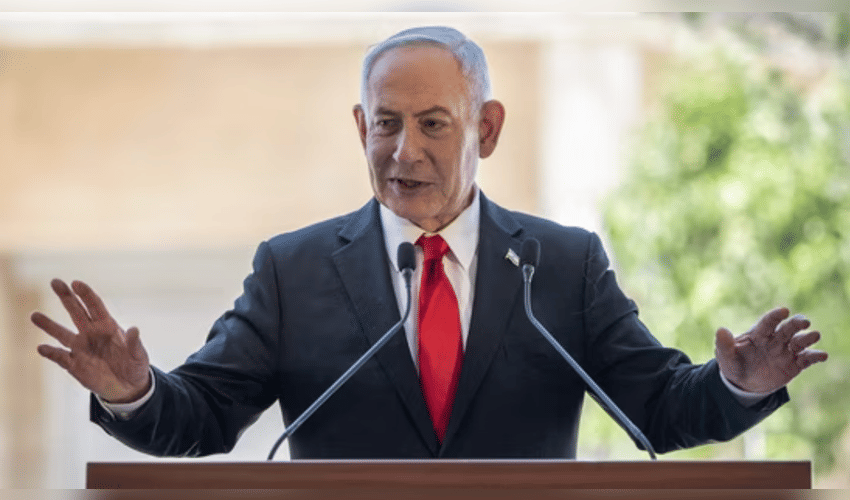

Israel’s upcoming October 27 national election is set to become a crucial political test for Prime Minister Benjamin Netanyahu, with voters expected to decide whether they want to continue with his leadership or seek a new direction after years marked by security crises, political divisions and regional tensions. The election will be closely watched as a major assessment of Netanyahu’s record, particularly his government’s handling of national security challenges following the Hamas attack on October 7, 2023, and the conflicts that followed across the region.
Netanyahu, Israel’s longest-serving prime minister, has built much of his political career around his reputation as a strong security-focused leader. However, the unprecedented attack in 2023 triggered widespread debate over government preparedness, intelligence failures and accountability, placing his leadership under increased scrutiny.
Supporters of Netanyahu argue that his experience and diplomatic relationships make him the right person to guide Israel through a challenging period. They point to his long record in office and his emphasis on national security as reasons for maintaining continuity. Opposition parties, meanwhile, are expected to make accountability and leadership change central themes of their campaigns. Critics have accused Netanyahu’s government of failing to prevent the October 2023 attack and have called for a new political approach to address Israel’s security and domestic challenges.
The election also comes at a time when Israeli society remains deeply divided over issues beyond security, including economic pressures, rising living costs, judicial reforms and the relationship between religious and secular communities. Israel’s electoral system makes coalition-building a key factor in determining who forms the next government. Since no party typically secures enough seats to govern alone, the final outcome will depend heavily on negotiations between political factions after the vote.
For Netanyahu, the election represents another major battle in a political career defined by comebacks and survival. A strong victory could reinforce his position and strengthen his claim as the leader best equipped to protect Israel. A loss, however, could mark the beginning of a significant shift in the country’s political landscape.
The outcome is also expected to have wider regional implications, influencing Israel’s future policies on security, relations with allies and its approach toward ongoing conflicts in the Middle East. As campaigning intensifies, the October 27 election is increasingly being viewed not only as a contest between political parties but also as a public verdict on Netanyahu’s leadership and legacy.



