



Military
Indian Navy Set for Boost as Six Indigenous Ships Enter Service in June 2026
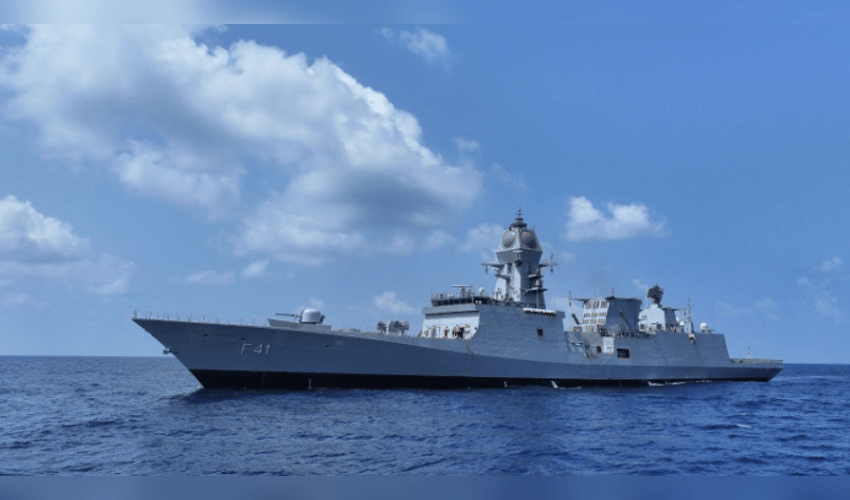

The Indian Navy is preparing for a significant boost to its fleet in June 2026 with the induction of five domestically developed naval platforms. These include two advanced Project 17A stealth frigates, a large survey vessel, and two anti-submarine warfare shallow water crafts. The move represents another major milestone in India’s long-term ambition of operating a 200-warship and submarine force by 2035, further strengthening the country’s strategic influence across the Indian Ocean Region.
Among the key additions are INS Dunagiri and INS Mahendragiri, both next-generation stealth frigates developed under the Project 17A programme. Built with modern combat technologies, these warships are equipped with BrahMos supersonic cruise missiles, Barak-8 air defence systems, MF-STAR AESA radar, torpedo launchers, and advanced rocket systems. Their deployment is expected to significantly improve the Navy’s operational reach and combat readiness in the Indo-Pacific region, especially amid increasing Chinese naval activity.
INS Dunagiri, constructed by Garden Reach Shipbuilders & Engineers (GRSE), features advanced sensors, integrated combat systems, and network-centric warfare capabilities, making it suitable for a wide range of frontline naval missions. INS Mahendragiri, built by Mazagon Dock Shipbuilders Limited (MDL), showcases India’s expanding expertise in indigenous warship construction and defence technology development.
The Navy has also inducted Sanshodhak, a Survey Vessel (Large) designed for hydrographic surveys and seabed mapping operations. The vessel is expected to support underwater exploration, maritime navigation, and strategic maritime awareness for both defence and civilian purposes. Two anti-submarine warfare shallow water crafts — Agray and Malvan — are set to join the fleet. These vessels are specifically engineered to identify and counter hostile submarines operating in coastal waters, enhancing India’s coastal security and underwater warfare capabilities.
Together, these five indigenous platforms, developed by GRSE, Cochin Shipyard Limited (CSL), and MDL, demonstrate India’s growing self-reliance in naval manufacturing. The development aligns closely with the government’s Atmanirbhar Bharat and Make in India initiatives aimed at reducing dependence on foreign defence imports. Currently operating around 130 to 140 naval platforms, the Indian Navy has been steadily expanding its capabilities, reportedly inducting a new indigenous vessel or submarine approximately every 40 days.
Defence experts believe the latest inductions highlight not just quantitative expansion, but also major qualitative improvements in stealth technology, firepower, surveillance, and multi-domain warfare capabilities. With these additions, India continues to strengthen its position as a leading maritime force in the Indo-Pacific.
Disclaimer: This image is taken from Indian Defence News.