



Military
Indian Navy sends additional warships to safeguard fuel shipments as the Strait of Hormuz faces shutdown.
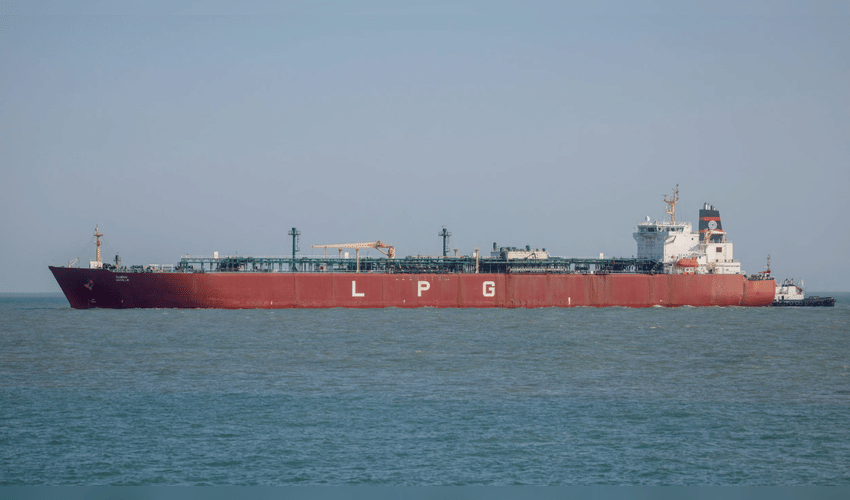

India is strengthening its naval presence in the Gulf of Oman by sending more warships to protect fuel shipments passing through the conflict-hit Strait of Hormuz. The decision comes amid rising tensions in West Asia, where ongoing hostilities have disrupted global oil supply chains. The Strait of Hormuz, which handles about 20 percent of the world’s crude oil flow, is effectively shut after recent strikes involving the United States, Israel, and Iran. Reports suggest Iran may allow Indian vessels to pass under escort, prompting India to enhance maritime security.
With the new deployment, the number of Indian naval ships operating east of the strait is expected to increase to six or seven. Currently, three warships are already stationed in the Gulf of Oman to guard fuel carriers heading toward India’s west coast. Recently, an Indian naval vessel escorted an India-flagged oil tanker from Fujairah in the UAE out of the Gulf of Oman, marking a significant operation during the crisis. Fujairah has become an important alternative hub for oil trade during the disruption.
According to the Ministry of Shipping, 22 India-flagged vessels are still stranded west of the strait. However, two LPG carriers, Shivalik and Nanda Devi, successfully delivered over 92,000 metric tonnes of LPG to Indian ports after passing through the strait under naval protection. One of them docked at Mundra Port, highlighting the navy’s effective role. This deployment is part of Operation Sankalp, launched in 2019 to ensure the safety of Indian merchant vessels and maintain freedom of navigation in the region. Since then, the Indian Navy has maintained continuous patrols.
Although there has been no official statement since the conflict escalated on 28 February, sources indicate that the navy is actively working to secure critical energy routes. India depends heavily on the Strait of Hormuz for its energy imports, making any disruption a serious concern for its economy. The wider conflict has already pushed global oil prices higher, affecting energy-dependent countries like India.
At the same time, the Indian Navy continues its long-standing anti-piracy mission in the Gulf of Aden, where it has maintained a constant presence since 2008 to protect maritime trade. This combined effort reflects India’s strategy of managing immediate security risks while maintaining ongoing commitments. As tensions continue, further naval deployments may follow to ensure the safety of India’s shipping and energy supplies.



