



News
Indian Army rescues 235 civilians stranded at Sinthan Top in Kishtwar after heavy snowfall in J K.
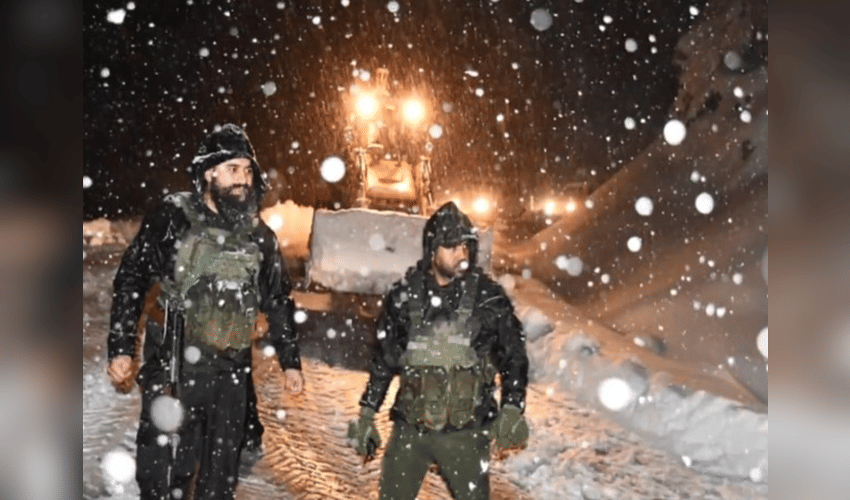

The Indian Army rescued 235 civilians and 38 vehicles that were stranded at Sinthan Top in the Kishtwar region of Jammu and Kashmir due to heavy snowfall and harsh weather conditions. Soldiers from the White Knight Corps conducted a rapid rescue mission despite difficult terrain and continuous snowfall.
Rescue teams reached Sinthan Top on Sunday and provided the stranded people with hot meals, drinking water, and temporary shelter, according to the White Knight Corps. Repair and recovery teams worked to restore the movement of vehicles that had become stuck, while passengers from vehicles that could not be repaired were safely evacuated. Medical personnel also offered assistance and distributed essential medicines to those who required care.
The White Knight Corps stated that the mission ended successfully, with all civilians and vehicles escorted safely from the area. The operation involved strong coordination between the Indian Army, Jammu and Kashmir Police, and the National Highways and Infrastructure Development Corporation Limited, highlighting the Army commitment to protecting lives even in extremely challenging conditions.
The Indian Army also rescued 29 tourists stranded in North Sikkim. According to an official statement, severe weather struck the region on the night of January 27 and 28, bringing strong winds and heavy snowfall that blocked narrow mountain roads and left several civilian vehicles immobilized. Some vehicles were buried under snow, while others broke down due to extremely low temperatures.
The stranded group included children and elderly people, making the situation more critical. As temperatures dropped far below freezing, low oxygen levels at high altitude caused several tourists to suffer from acute mountain sickness and breathing difficulties. After bringing the group to an Army camp, soldiers launched extensive relief efforts. Medical teams immediately treated those suffering from altitude related illnesses by providing oxygen support and constant monitoring. To protect them from the cold, the Army supplied extreme cold weather clothing, sleeping bags, heaters, hot meals, refreshments, and warm water.
The camp provided a safe and warm environment for everyone, from young children to senior citizens. The following morning, the tourists were given a hot breakfast. Once weather conditions improved and roads became accessible, the Army arranged specialized vehicles to safely transport the entire group back to their hotels in Lachung.



