



Technology
India's TikTok ban highlights that simply pushing teenagers away from their phones may not always lead to positive outcomes.
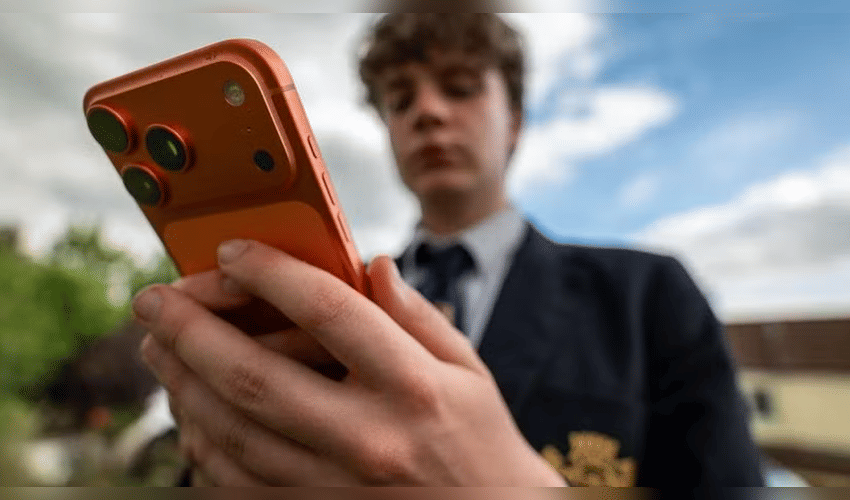

Keir Starmer’s government in Britain faces a difficult political landscape filled with unpopular decisions, but restricting teenagers’ access to social media is one policy that has gained broad public approval. The prime minister presented the idea as a way to “give children their childhood back,” reflecting a widespread belief that social media is harming young people’s well-being and safety.
While there are legitimate concerns about the negative effects of social media on children, creating bans is often the simplest part. The bigger challenges come afterward: enforcing restrictions, managing unexpected consequences, and preventing governments from expanding internet controls too far. Britain’s planned restrictions follow a wider international movement that began gaining attention in countries like India. The approach reflects a growing belief that social media platforms are too influential and potentially harmful to be left entirely under the control of technology companies and online markets.
India banned TikTok in 2020, partly because of tensions with China, where TikTok’s parent company ByteDance is headquartered. Similar concerns emerged in the United States, where officials raised fears about data collection and the possibility of foreign influence over users. However, the debate has since expanded beyond individual apps, with many people in Western countries becoming suspicious of large technology companies in general. The problem is that controlling the entire online world is far more complicated than blocking one application. India’s TikTok ban successfully removed the app, but it did not stop people from consuming short-form videos. Users quickly moved to other platforms, many of which were run by American technology companies with the resources to compete against government restrictions.
British teenagers are likely to respond in similar ways. Young users may move to different platforms, online communities, or less visible spaces. Many could use tools such as VPNs, fake locations, or borrowed accounts to bypass restrictions. This could make teenagers’ online activities harder, rather than easier, to monitor. Once governments introduce age limits, pressure may grow for stricter enforcement. If loopholes appear, regulators may consider stronger measures such as digital identity systems for internet access or restrictions on VPN use. Families, schools, or older siblings could also face pressure if they help young people avoid the rules.
There may also be unexpected economic and cultural effects. India’s TikTok ban changed the country’s creator economy. The platform’s algorithm gave ordinary users from small towns and less connected communities a chance to gain popularity. After the ban, platforms like YouTube and Instagram became more dominant, favoring more established influencers and professional content creators.
The long-term impact of social media bans on young people remains uncertain. Although research shows online platforms can create harm, they can also provide support, friendship, and communities for young people who feel isolated or marginalized. It is possible that restrictions in Britain could succeed and encourage teenagers to spend less time online. However, India’s experience suggests that banning one platform does not eliminate the influence of the internet. Instead, it simply changes the way technology shapes people’s lives.



