



World
History Today: Zulfikar Ali Bhutto and the Fallout of Pakistan's 1971 War Defeat
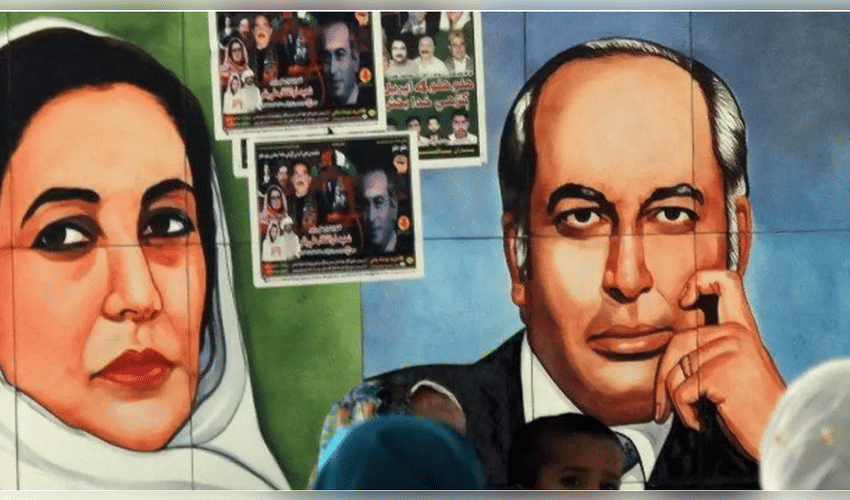

The political legacy of Zulfikar Ali Bhutto remains deeply tied to one of the most defining moments in South Asian history—the aftermath of Pakistan’s defeat in the 1971 war, which led to the creation of Bangladesh. The 1971 conflict marked a turning point for Pakistan, resulting in a decisive military defeat against India and the separation of East Pakistan. The war ended with the surrender of Pakistani forces and caused a massive political, military, and psychological setback for the country, which lost nearly half its population and a significant portion of its economic base.
At the time of the crisis, Bhutto was a key political figure and leader of the Pakistan Peoples Party. Although he was not in direct control during the war—then led by President Yahya Khan—his role in the political developments leading up to the conflict has been widely debated. Tensions had escalated after the 1970 elections, when power-sharing disputes between West Pakistani leaders like Bhutto and East Pakistani leader Sheikh Mujibur Rahman contributed to political instability.
Following Pakistan’s defeat, Bhutto assumed power on December 20, 1971, becoming President and later Prime Minister. He inherited a fractured nation facing economic collapse, military demoralisation, and global isolation. Bhutto’s immediate challenge was to stabilise the country. His government undertook major reforms, including restructuring the military, initiating economic nationalisation, and attempting to rebuild Pakistan’s international standing. He also sought to redefine Pakistan’s strategic direction, including the pursuit of a nuclear programme to prevent future military vulnerabilities.
Despite these efforts, Bhutto’s legacy remains controversial. Critics argue that his political decisions before 1971 contributed to the crisis, while supporters credit him with holding the country together in its most fragile moment. The events of 1971 continue to shape Pakistan’s political narrative, with Bhutto’s role often revisited as historians and analysts examine how leadership choices influenced one of the region’s most consequential conflicts.



