



Technology
Google and Apple AI Race: EU Forces Major Changes to Android and Siri
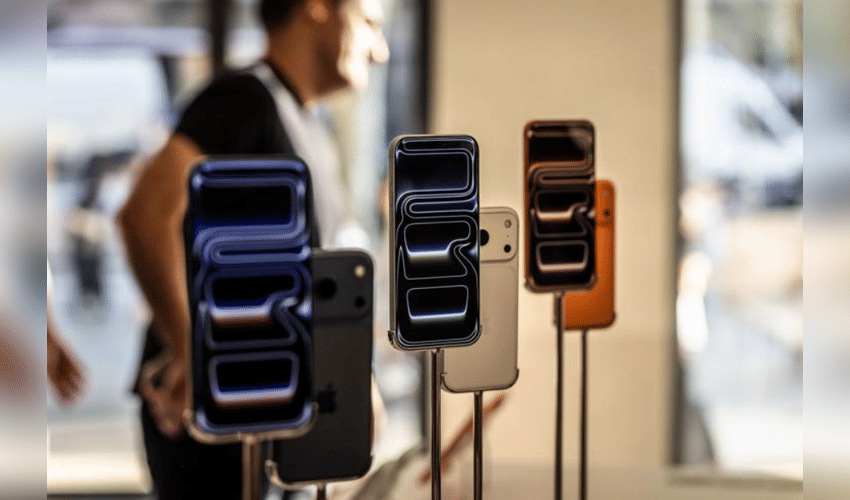

The race between Google and Apple to dominate the artificial intelligence market has entered a new phase, with the European Union pushing for major changes in how AI services operate on smartphones. The EU’s regulatory actions are aimed at making digital platforms more open and competitive, putting pressure on two of the world’s biggest technology companies to rethink their approach to AI assistants. Artificial intelligence has become the next major battleground in the smartphone industry. While previous competition focused on hardware, operating systems, and app ecosystems, the future of mobile technology is increasingly being shaped by AI-powered assistants that can answer questions, manage tasks, search information, and interact with users in more personalized ways.
The European Union’s Digital Markets Act (DMA) is now being used to challenge the dominance of major technology platforms. Regulators believe companies like Google and Apple could use control over their operating systems to give their own AI services an unfair advantage over competitors. Google’s Android platform is at the centre of the EU’s latest concerns. As the world’s most widely used mobile operating system, Android gives Google a powerful position to promote its Gemini AI assistant. European regulators want Google to ensure that rival AI services can access important Android features instead of being restricted while Google’s own tools receive deeper integration.
The move could eventually change how Android users interact with AI. Instead of being closely tied to Google’s own assistant, smartphone owners may get more freedom to select alternative AI services that can perform tasks across their devices. This could encourage competition among AI developers and lead to more choices for consumers. Apple is facing a different challenge in Europe. The company has been expanding its artificial intelligence capabilities through Apple Intelligence and plans to bring more advanced features to Siri. However, Apple’s strict control over the iPhone ecosystem has attracted regulatory attention, with European officials arguing that dominant platforms should provide fair opportunities for competing services.
Apple has maintained that its closed ecosystem helps protect user privacy and security. The company has often highlighted that controlling access to iPhone features allows it to maintain stronger safeguards for personal data. However, regulators argue that competition should not be limited by the policies of a single technology company. The debate reflects a larger global discussion about the future of artificial intelligence. AI assistants are expected to become a central part of how people use smartphones, replacing traditional searches and making technology more interactive. Companies that control these assistants could gain significant influence over digital services, advertising, and online information.
The EU’s intervention could bring both opportunities and challenges. Greater openness may lead to more innovative AI tools and increased competition, allowing users to choose assistants based on their needs. A person who values privacy, productivity, research capabilities, or creative features could eventually select an AI service that best matches their requirements. At the same time, technology companies have warned that opening smartphone systems too widely could create security risks. AI assistants often handle sensitive information, including personal conversations, schedules, contacts, and private data. Ensuring that competition does not come at the cost of user safety will be a key challenge for regulators.
The impact of Europe’s AI regulations could extend far beyond the region. Technology companies frequently introduce global changes when adapting to major markets, meaning rules created in Europe could influence smartphone experiences worldwide. The competition between Google and Apple is no longer just about who builds the best smartphone. It is becoming a battle over who controls the next generation of digital interaction. As AI becomes a bigger part of everyday life, decisions made by regulators today could determine how people use technology for years to come. The EU’s push for changes to Android and Siri signals that the era of unrestricted control by major technology platforms may be coming to an end. The future of AI on smartphones could be shaped not only by innovation from companies but also by governments demanding more openness, choice, and competition.



