



Asia In News
Fourteen Killed in Suicide Bomb Attack Near Police Station in Pakistan's Swat
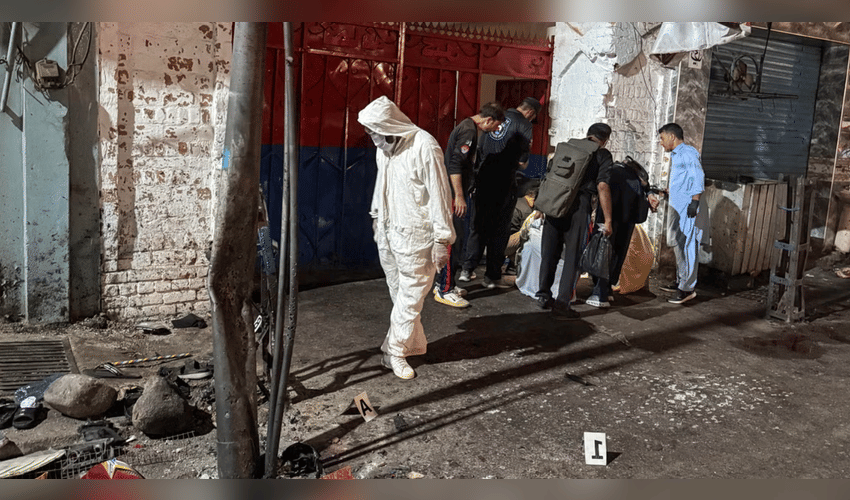

At least 14 people were killed and 18 others injured after a suicide bomber carried out an attack outside the Kabal police station in Swat district of Pakistan’s Khyber Pakhtunkhwa province on Sunday. The explosion occurred when police personnel attempted to stop and search the suspected attacker at the entrance of the police facility. Swat District Police Officer Umar Khan said the bomber detonated the explosives during the confrontation, causing a massive blast.
The attack took place near Kabal Chowk, where a large number of residents had gathered for a protest against the growing threat of terrorism in the Swat Valley. The explosion occurred while the final speaker at the rally was addressing the crowd, leading to panic and chaos among those present at the demonstration. The incident highlighted the rising frustration among local residents over worsening security conditions in the region. Many protesters had gathered to demand stronger action from authorities against militant groups and an end to years of violence affecting communities across Swat.
Swat police spokesperson Nasir Iqbal Karimi confirmed the casualties and said the area had been secured by law enforcement agencies. Investigation teams and forensic experts were deployed to examine the site and collect evidence related to the attack. Rescue 1122 spokesperson Bilal Ahmed Faizi said nine bodies were shifted to Central Hospital Saidu Sharif, while five were taken to Kabal Hospital. He added that several injured victims were receiving treatment, with two people reported to be in critical condition.
The bombing took place as speakers at the protest criticised the resurgence of militant activities in Swat and urged the government to take immediate measures to restore peace. Demonstrators questioned why authorities had not taken stronger action against terrorists who continue to spread propaganda and operate in parts of the region.
One speaker at the rally said ordinary citizens wanted safety, education, and a peaceful future for their children. The speaker recalled the suffering caused by years of conflict and warned that communities could no longer afford to lose more lives to terrorism. Pakistan President Asif Ali Zardari condemned the attack and expressed sorrow over the loss of lives. In a statement on X, he directed authorities to ensure proper medical treatment for those injured and said terrorists would not succeed in damaging Pakistan’s peace, unity, and stability.
Khyber Pakhtunkhwa Governor Faisal Karim Kundi and Chief Minister Sohail Afridi also strongly condemned the bombing. Afridi sought a detailed report from the provincial Inspector General of Police and said the government would continue efforts to eliminate terrorist threats. The attack comes amid a rise in militant violence across Pakistan, particularly in Khyber Pakhtunkhwa. Earlier on the same day, an improvised explosive device attack near the Peshawar-Islamabad motorway toll plaza injured two police officers. A separate attack on a security checkpoint in Hangu on July 30 left nine policemen dead.
According to data from the Pakistan Institute for Conflict and Security Studies, Khyber Pakhtunkhwa recorded 154 terrorism-related fatalities in July, more than double the 75 deaths reported in June. Security analysts have warned that the increase in attacks reflects growing challenges for Pakistan’s counterterrorism efforts, as militant groups continue to exploit security weaknesses and expand violence in the region.



