



World
Bengali Cultural Institutions in Bangladesh Targeted, Pattern Points to External Influence
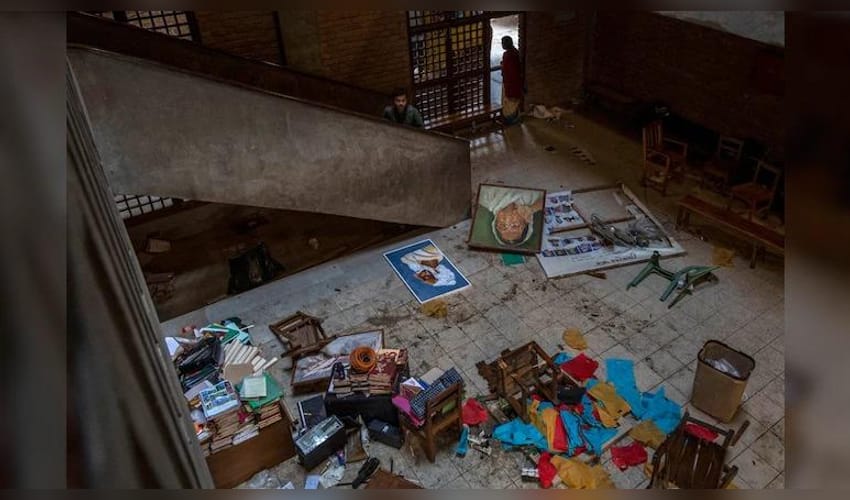

Several prominent Bengali cultural institutions in Bangladesh have been targeted in a series of attacks in recent days, triggering widespread concern among artists, intellectuals, and civil society groups. Observers say the pattern of violence suggests coordinated attempts by radical elements, with indications of external influence, to undermine Bangladesh’s cultural identity and secular traditions. Among the institutions attacked were Udichi Shilpi Gosthi and Chhayanaut, both of which have played a central role for decades in promoting Bengali music, literature, theatre, and the values associated with the country’s liberation movement. In some cases, buildings were vandalised and set on fire, causing extensive damage to property and cultural archives.
The attack on Udichi’s central office in Dhaka led to the destruction of irreplaceable materials, including songs, manuscripts, photographs, and historical records documenting Bangladesh’s cultural and political struggles. The incident sparked anger and grief across the artistic community, with many describing it as a direct assault on freedom of expression and democratic values. Artists, cultural workers, and journalists have staged protests in several cities, accusing extremist groups of systematically targeting symbols of Bengali heritage. Protesters argue that the attacks are not isolated incidents but part of a broader effort to erase secular and pluralistic traditions from public life.
The violence unfolded amid wider unrest across the country following the death of a radical leader, which triggered clashes and mob violence. During the same period, offices of major Bengali-language newspapers were also attacked, raising fresh concerns over press freedom and public safety. Cultural leaders have urged the authorities to ensure stronger protection for cultural and civic institutions and to bring those responsible to justice. They warn that continued inaction could embolden extremist elements and cause long-term damage to Bangladesh’s social fabric and cultural legacy. As tensions remain high, the coming days will be crucial in determining whether stability can be restored and whether Bangladesh’s rich cultural heritage can be safeguarded during this period of political uncertainty.



