



Asia In News
Baloch Leader Calls for Global Support for Independent Balochistan, Reiterates Allegations of Pakistani Atrocities
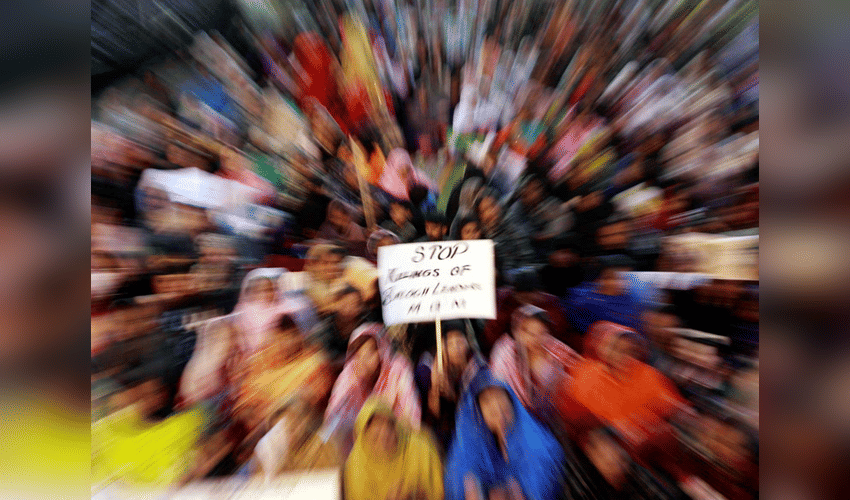

Baloch leader Mir Yar Baloch has called on the international community to recognise what he described as the independence of Balochistan, while accusing Pakistan’s establishment of continuing a campaign of repression and rights violations in the region. In a message posted on X on August 11, which he described as Balochistan’s independence day, Mir Yar Baloch said the Baloch people should move beyond commemorating the occasion and seek formal international recognition for their independence.
He appealed to governments and institutions around the world to extend what he termed legal, political, diplomatic and moral recognition to Balochistan. He also conveyed greetings to people from different religious communities living in the region, including Baloch, Pashtun, Hindu, Sikh and Christian communities.
Mir Yar Baloch also thanked international journalists, researchers, academics, writers, students, lawyers, civil society groups, business leaders, religious figures and parliamentarians for highlighting the Baloch cause. He particularly acknowledged media organisations and intellectual circles in India for what he described as their efforts to bring the issue to global attention.
The Baloch leader alleged that thousands of Baloch people continue to face severe abuses in detention facilities in Pakistan. He claimed that more than 50,000 people remain in what he called inhuman conditions and said their suffering would not be forgotten. He attributed the movement’s progress to the sacrifices of those killed during the struggle as well as political activists and prisoners. However, the figures and allegations cited by Mir Yar Baloch could not be independently verified.
Mir Yar Baloch further claimed that Balochistan had historically resisted foreign forces and argued that the region's armed fighters possess significant capabilities despite Pakistan's much larger conventional military strength. He also claimed that the so-called Republic of Balochistan has prepared a force of around 500,000 personnel.
Calling for greater international attention, he urged member states of the United Nations, the Association of Southeast Asian Nations, the African Union, the Organisation of Islamic Cooperation and European countries to address the Balochistan issue. He also highlighted Balochistan’s mineral and natural resources, arguing that the region could potentially contribute to international efforts in areas such as healthcare, education and humanitarian development rather than relying on external assistance.
The Baloch leader accused Pakistani authorities of restricting communications in parts of the region, claiming that mobile and internet services had been suspended to prevent people from marking the independence day. He also alleged that additional security measures had been implemented around military and police installations in areas including Kalat, Quetta and Khuzdar. According to his account, Pakistani aircraft, drones and helicopters were continuing surveillance operations over parts of Balochistan. He claimed that despite the security restrictions and communications blackout, people in different areas had continued to observe the occasion. He said the internet restrictions were delaying the flow of photographs, videos and other information from the region, but claimed that more material would emerge in the coming days.
Balochistan has for years faced a complex security and political situation, including an insurgency, allegations of enforced disappearances, militant violence and accusations of human rights violations. Rights groups have repeatedly raised concerns over missing persons and arbitrary detention, while Pakistani authorities have cited security challenges and militant activity in defending their operations.
The competing narratives have contributed to deep mistrust between sections of the local population and state institutions. Allegations surrounding disappearances, arrests and targeted violence remain among the most contentious issues in the region, with calls for greater accountability continuing from rights advocates and Baloch political groups.



