



Technology
At 18,000 Feet in Ladakh, DroneVerse Highlights FPV Drone Capabilities and Counter-UAS Solutions for Indian Army
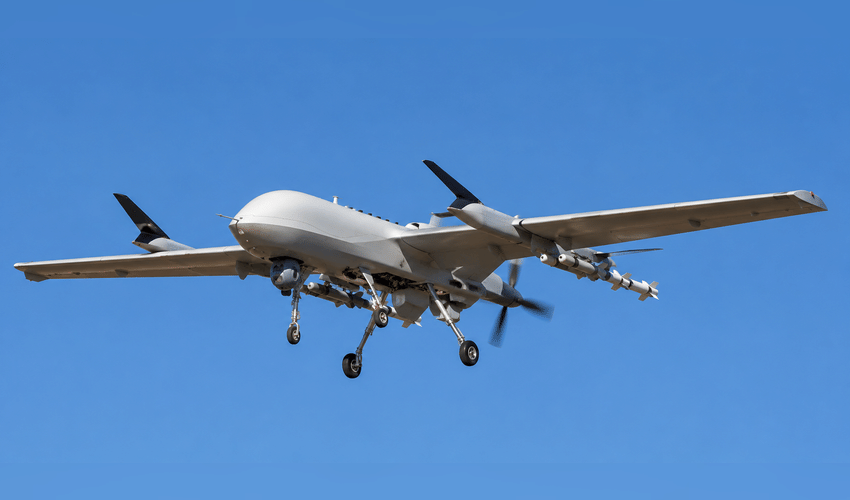

DroneVerse has achieved a major milestone by demonstrating its indigenous Rudra-7 FPV drones along with advanced Counter-Unmanned Aerial Systems (C-UAS) capabilities before the Indian Army in Leh, Ladakh. The high-altitude trials were conducted at elevations of nearly 18,000 feet, highlighting the ability of these systems to operate in some of the most challenging battlefield environments. The demonstration represents a significant step forward for India’s domestic drone ecosystem, proving that locally developed unmanned platforms can perform reliably in extreme conditions where low temperatures, thin air, and unpredictable winds create operational challenges.
The Gurugram-based defence technology company showcased the performance of its FPV drones and counter-drone solutions in Ladakh’s demanding terrain. During the trials, the Rudra-7 FPV drone displayed strong flight stability, accurate manoeuvring, and dependable performance despite harsh environmental factors. The drone successfully carried out multiple operational scenarios, including rapid vertical climbs, precision strike simulations, and live video transmission. Its advanced propulsion system and adaptive flight control technology enabled it to maintain agility and accuracy even in low-pressure high-altitude conditions.
The Indian Army evaluated the platform’s capabilities, including payload handling, strike accuracy, operational consistency, and effectiveness in mission-oriented scenarios. The results demonstrated the drone’s potential for frontline defence applications. Designed for tactical combat operations, DroneVerse’s FPV drones support modular payload integration, allowing them to be configured for different missions such as surveillance, reconnaissance, and precision strike roles. Their lightweight carbon-composite structure and intelligent stabilisation features make them suitable for deployment across difficult terrains, including mountainous regions like Ladakh.
Alongside the FPV drone demonstration, DroneVerse also presented its Counter-UAS technology, which focuses on identifying, tracking, and disabling hostile unmanned aerial threats. With drones becoming increasingly important in modern warfare, counter-drone systems are emerging as a critical component for safeguarding military installations, supply routes, and strategic assets. The demonstration reflected India’s growing focus on building a layered drone warfare capability—combining offensive unmanned platforms with defensive technologies to counter evolving aerial threats.
DroneVerse was also recognised with an Army Commendation for Innovation and Technical Excellence, highlighting its contribution to India’s defence technology sector. The successful trials are expected to support future improvements, including longer endurance, enhanced autonomy, and advanced navigation capabilities as the Army continues evaluating next-generation FPV systems. Further testing and operational approvals will determine the path toward wider deployment and possible mass production under the Make in India initiative. The achievement carries broader significance for India’s defence self-reliance goals. Developing indigenous drones capable of functioning in extreme environments can reduce dependence on imported systems while strengthening operational readiness.
Recent global conflicts have demonstrated the growing impact of affordable and effective drone technologies on the battlefield, with unmanned systems increasingly influencing modern combat strategies. DroneVerse’s Rudra-7 demonstration reflects India’s efforts to adopt similar capabilities while developing homegrown solutions. The initiative also aligns with the Indian Army’s wider modernisation drive, which includes investments in drone training facilities, simulation-based learning, and advanced defence technologies in regions such as Ladakh. Together, these developments indicate a shift toward a future battlefield where unmanned systems, artificial intelligence, and counter-drone technologies play a central role in high-altitude military operations.



