



Asia In News
As Asim Munir receives a warm welcome in Iran following failed Pakistan talks, attention turns to what lies ahead.
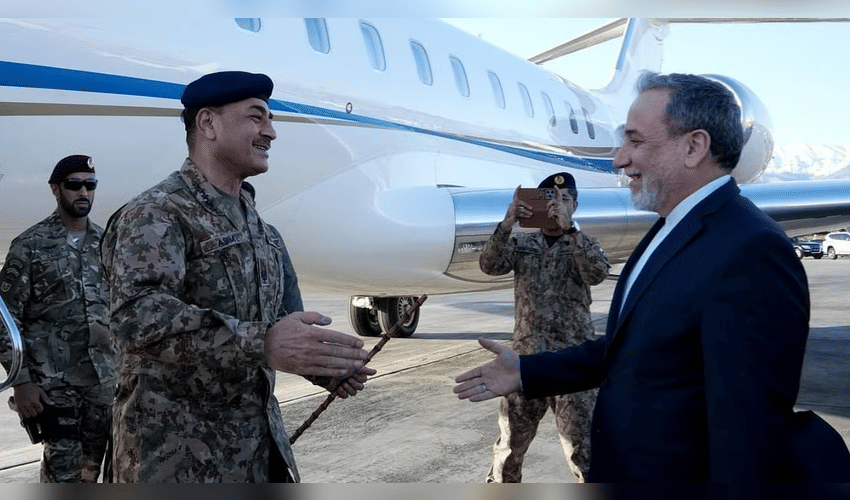

Pakistan’s top military commander, Field Marshal Asim Munir, arrived in Tehran on Wednesday leading a high‑level delegation, as Islamabad intensifies efforts to revive stalled US–Iran peace talks after the first round in Islamabad ended without an agreement. Iranian Foreign Minister Abbas Araghchi received Munir and Interior Minister Mohsin Naqvi at Mehrabad Airport, with social‑media images showing warm handshakes and embraces between the two sides. The visit underscores Pakistan’s growing role as a back‑channel facilitator between Washington and Tehran amid heightened regional tensions and fragile ceasefire conditions in West Asia.
The latest round of indirect US–Iran negotiations in Islamabad ran for around 21 hours but failed to resolve key sticking points, including Iran’s nuclear activities and control or influence over the strategic Strait of Hormuz. Officials in Tehran and Islamabad have indicated that messages have continued to flow through Pakistan even after the Iranian delegation returned home, setting the stage for this new Tehran mission.
According to Pakistani military sources, Munir’s delegation is carrying a fresh message from the United States aimed at de‑escalating hostilities and laying out the parameters for a possible next round of talks, which could once again be hosted in Islamabad. In Tehran, the discussions are expected to focus on confidence‑building measures, regional security, and ways to prevent a wider military confrontation that could disrupt global energy supplies and shipping routes.
Analysts see Pakistan’s diplomatic push as both a geopolitical opportunity and a risk. On one hand, mediating between Washington and Tehran offers Islamabad a chance to boost its standing as a neutral broker in the Middle East and counterbalance its fragile economic position with added diplomatic clout. On the other, any failure or perceived bias could strain Pakistan’s relations with either side, especially at a time when its own security and economy remain sensitive to regional volatility.
As Munir holds talks with Iranian officials, world leaders and markets will be watching closely for any sign that the latest mediation effort can produce at least a short‑term de‑escalation—if not a breakthrough deal. For now, the warm “hugs and delight” on the tarmac in Tehran signal continued openness to dialogue, even as the underlying fault lines between the US and Iran remain as deep as ever.



