



World
Trump Reviews Iran Military Options as Netanyahu Issues Fresh Warning, But Diplomacy Remains on the Table.
Published On Wed, 01 Jul 2026
Fatima Hasan
16 Views
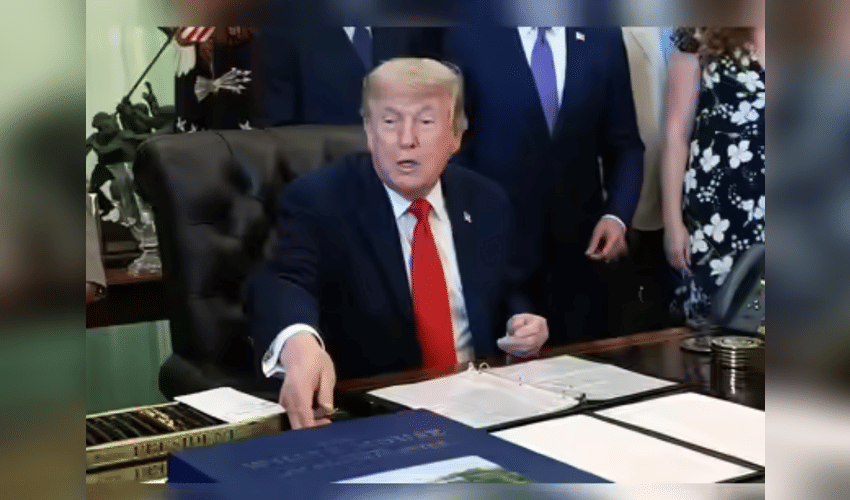

The possibility of renewed military action against Iran has once again become a major topic of international discussion after reports indicated that U.S. President Donald Trump was briefed on potential options to finish the job against Tehran. At the same time, Israeli Prime Minister Benjamin Netanyahu has reiterated his strong stance on Iran, warning that Israel is prepared to act if it believes the threat from Tehran continues to grow. Despite the rhetoric, the latest reports suggest Washington is still prioritizing diplomatic efforts over an immediate military escalation.
According to officials familiar with recent discussions, Trump was presented with a range of military scenarios, including the possibility of launching broader operations against Iran. However, the administration has so far decided not to move forward with a large-scale offensive. Instead, the White House appears focused on giving negotiations additional time, believing diplomacy could still achieve key security objectives without triggering another prolonged regional conflict.
The renewed debate comes amid ongoing tensions between Israel and Iran, with both sides remaining deeply suspicious of each others intentions. Netanyahu has consistently argued that Irans military and nuclear capabilities pose a long-term threat to Israels security. Israeli officials have repeatedly stated that they are prepared to respond if they believe Iran is advancing activities that could destabilize the region further.
Despite the tough public messaging, diplomatic channels remain active. Indirect talks involving U.S. and Iranian representatives are continuing, with discussions reportedly focusing on Irans nuclear program, sanctions, regional security, and the future of maritime trade through the Strait of Hormuz. These negotiations remain complicated, but both sides appear willing to keep communication open rather than abandon diplomacy altogether.
Security analysts note that military planning does not necessarily indicate an imminent attack. Governments often prepare multiple contingency plans while simultaneously pursuing diplomatic solutions. Maintaining military readiness can strengthen a countrys negotiating position without automatically leading to armed conflict. In this case, U.S. officials have stressed that all options remain available, but negotiations are still considered the preferred path.
Any renewed conflict between the United States, Israel, and Iran would likely have consequences extending far beyond the Middle East. Global energy markets, international shipping routes, and financial markets remain highly sensitive to developments involving the Strait of Hormuz, one of the worlds most strategically important waterways. Even the possibility of escalating hostilities has the potential to affect oil prices and broader economic stability.
Regional allies are also closely monitoring the situation. Several governments have urged restraint, emphasizing that another military confrontation could further destabilize an already volatile region. Diplomatic efforts continue alongside heightened military preparedness, reflecting the delicate balance policymakers are attempting to maintain between deterrence and dialogue.
For now, there is no official indication that a new war is about to begin. While Trumps review of military options and Netanyahus warnings have intensified speculation about the future, current reports suggest diplomacy remains the administrations primary strategy. The coming weeks are expected to be crucial as negotiations continue and regional leaders weigh whether dialogue can prevent another major conflict in the Middle East.
Disclaimer: This image is taken from The Indian Express



