



News
The Miracle Survivor Who Lost Everything: The Invisible War After Air India's AI-171 Crash.
Published On Fri, 12 Jun 2026
6 Views
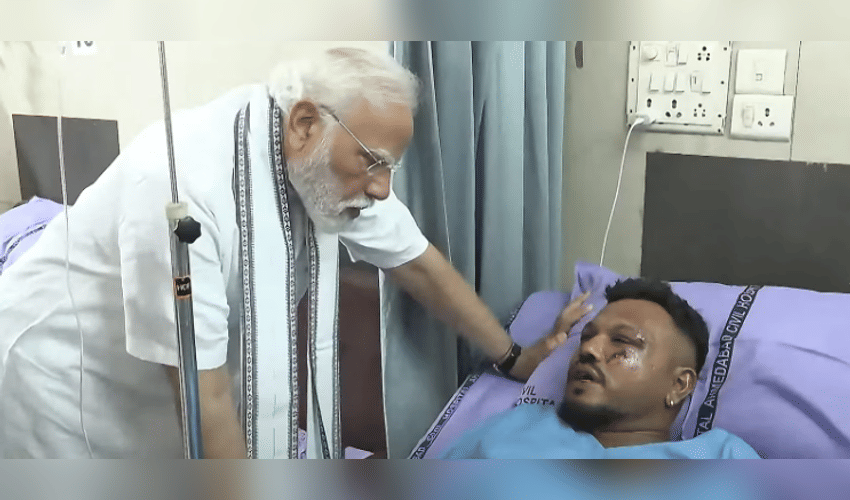

Vishwash Kumar Ramesh should have been the luckiest man on Earth. At 39 years old, he was the only person to walk away alive from the burning wreckage of Air Indias AI-171 flight that crashed in Ahmedabad, killing 241 passengers and crew. Seated at 11A next to an emergency exit, he managed to escape the Boeing 787-8 just moments after it struck a building and erupted into flames. But nearly a year later, Ramesh confesses something that most people never expected: surviving was actually the easier part. Im grateful to be alive, but survival is only part of the story, he shared recently. What Ive faced since then has been far more difficult than I can put into words.
The physical recovery took months, but the emotional scars proved far harder to overcome. Ramesh returned to his home in Leicester, UK, where his wife Hiral and five-year-old son Divang awaited him. Yet instead of celebration, he found himself unable to speak to them for weeks. Post-traumatic stress disorder consumed his daily life. Sleepless nights became his norm, anxiety attacks disrupted his mornings, and memories of the crash—the screams, the fire, his younger brother Ajay dying beside him—refused to fade. Friends describe him as broken, carrying the weight of being the sole survivor while everyone he knew perished. People see that Ive survived, but they dont always see the challenges that continue behind closed doors, Ramesh explained on the crashs first anniversary.
Beyond the psychological trauma, Ramesh faces crushing financial difficulties that compound his suffering. Medical treatment in the UK has been expensive, and hes struggled to return to work while managing his PTSD. The media attention that initially celebrated him as a miracle man quickly faded, leaving him isolated with bills mounting and no clear path forward. His brother Ajay, who died in the crash, was not just a family member but someone whose memories now weigh heavily on Rameshs conscience. Every day feels like living with fates cruel irony—he survived when his brother didnt, and that guilt permeates everything. The luckiest man alive label from headlines now feels like a heavy burden rather than comfort.
What makes Rameshs story particularly heartbreaking is the invisible nature of his suffering. While the world celebrated his miraculous escape, few understood that survivors guilt often wounds more deeply than physical injuries. Aviation experts note his seat position was crucial—he was near the No. 2 exit in a section that landed on the buildings ground floor, giving him the rare chance to unbuckle and flee. But that same fortune created unbearable psychological pressure. Safety investigator Tony Cable advised him to buy a lottery ticket immediately, yet Ramesh feels like he lost everything instead. The 241 others on board—168 Indians, 53 British citizens, seven Portuguese nationals, and one Canadian—along with five people on the ground, all died while he lived.
Rameshs ordeal raises important questions about how we support trauma survivors long after the initial crisis passes. Mental health professionals emphasize that single-incident survivorship—being the only one who lived through a catastrophic event—creates unique psychological burdens that require specialized, long-term care. His story isnt just about one mans pain; its a reminder that survival doesnt end with escape. For families seeking closure in the AI-171 investigation, which continues to raise more questions than answers, Ramesh represents both hope and devastating loss. His message to the world is simple yet profound: survival isnt the end of the journey. Sometimes, its the beginning of a much harder battle—one fought silently behind closed doors, where the war against memory, guilt, and trauma continues every single day.
Disclaimer: This image is taken from abc NEWS.



