



World
Saudi-Led Forces Target Yemen's Hodeida Port as Houthis Vow Retaliatory Attacks
Published On Wed, 25 Nov 2026
AHN News Desk
2 Views
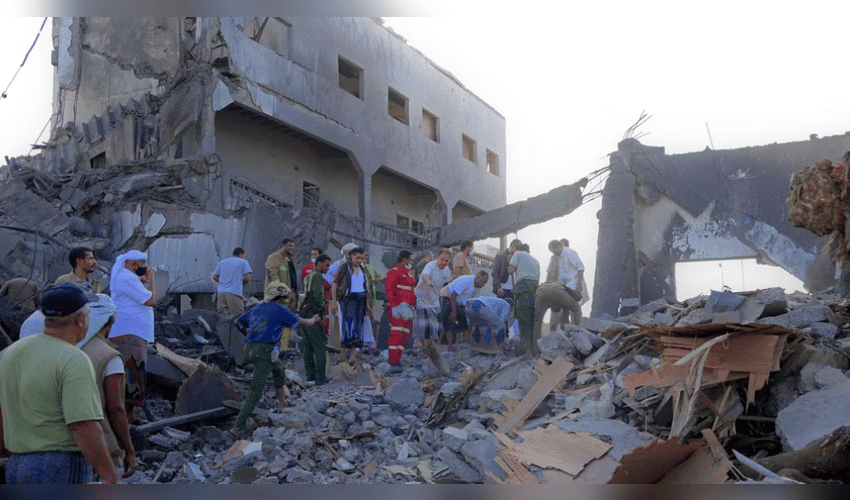

The Saudi-led military coalition fighting Yemen’s Houthi movement announced on Wednesday that it had carried out airstrikes against the strategically important port of Hodeida, escalating tensions in the region. The attack came after the Iran-backed Houthi group threatened to target Saudi ports, including Jeddah, in retaliation for military action against the Yemeni port. The coalition had earlier issued an evacuation warning, urging civilians to leave Hodeida port ahead of the operation. Following the warning, Houthi military spokesperson Yahya Saree cautioned that Saudi ports along the Red Sea coastline could become targets if the attack went ahead.
The coalition said the operation targeted facilities and capabilities associated with Houthi military activities. Houthi media outlet Al-Masirah reported that the port had been struck and claimed that the nearby international airport was also targeted. However, the extent of the damage and the full details of the operation could not immediately be independently verified. No casualties had been confirmed at the time of reporting.
Responding to the developments, Saree warned that the Houthi movement would consider Saudi ports legitimate targets if attacks against Hodeida continued. The group also called on port workers, civilians and shipping companies to stay away from areas it identified as potential targets. It separately cautioned international airlines against using most Saudi airspace, citing the possibility of further military operations.
The latest escalation follows a series of security incidents involving Saudi Arabia and the Houthis. On Tuesday, Riyadh experienced another reported attack when the countrys tallest skyscraper was struck, leaving 11 people injured. The Saudi-led coalition blamed the Houthi movement for the incident and described it as a terrorist attack. The building had reportedly been targeted earlier in the week as well, raising concerns about the security of important infrastructure in the Saudi capital. Saudi Arabia has also reported intercepting missiles and drones during the recent confrontation, while the Houthis have continued issuing threats against Saudi infrastructure. The growing exchange of attacks and warnings indicates that the conflict could expand beyond Yemens borders, potentially affecting major economic and transportation facilities across the region.
Hodeida port holds considerable strategic importance for Yemen, particularly because it serves as a major entry point for food, fuel, medicines and humanitarian supplies. Millions of people living in Houthi-controlled areas depend on imports passing through the port. Any prolonged disruption to its operations could further worsen the countrys already serious humanitarian situation.
The latest confrontation has also raised concerns about international maritime trade. The Red Sea is a critical shipping corridor connecting the Mediterranean with the Indian Ocean through the Suez Canal and the Bab el-Mandeb Strait. A wider conflict involving Saudi ports and Yemeni coastal facilities could create additional risks for commercial vessels, increase shipping insurance costs and disrupt international supply chains. The situation is developing amid broader instability across the Middle East, where tensions involving Iran and regional military forces have added to security concerns. The Houthis, who maintain close ties with Tehran, have become an influential force in the regions maritime security environment, particularly because of their ability to threaten shipping routes.
With the Saudi-led coalition confirming its latest strikes and the Houthis warning of retaliation, the possibility of further military escalation remains high. Any attacks on Saudi ports or additional disruption around Hodeida could widen the confrontation and create fresh challenges for regional security, international shipping and Yemens civilian population.
Disclaimer: This image is taken from AFP.