



Asia In News
Nepal's Ex-PM KP Sharma Oli Arrested Over Deadly Gen Z Protest Crackdown
Published On Sat, 28 Mar 2026
Fatima Hasan
13 Views
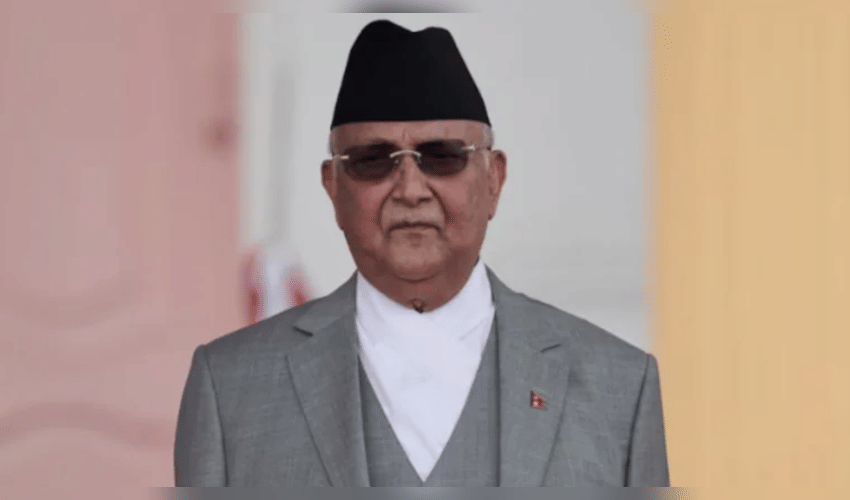

Former Nepal Prime Minister KP Sharma Oli has been arrested in connection with the fatal police crackdown on last year’s youth‑led protests, in a high‑profile move that has thrown Nepal’s political landscape into fresh turmoil. The arrest comes less than a day after rapper‑turned‑politician Balendra (Balen) Shah was sworn in as the country’s 40th prime minister, marking a dramatic shift in the tone of governance.
Oli was taken from his residence in Gundu, Bhaktapur, by Nepal Police on Saturday morning under a case linked to culpable homicide related to the September 2025 protests. Authorities say the move follows a high‑level inquiry commission report that recommended criminal proceedings against Oli and his then‑home minister, Ramesh Lekhak, along with the former police chief, for alleged negligence and failure to prevent the violence. The protests, widely known as the “Gen Z” uprising, erupted after a short‑lived social‑media ban and quickly turned into a broader anti‑corruption and youth‑rights movement. Police responded with force, and official figures later put the death toll in the double digits, with dozens injured and many more detained.
The September 2025 demonstrations were largely driven by students, millennials, and digitally active young people frustrated with joblessness, corruption scandals around top leaders, and a perceived disconnect between elite politics and everyday citizens. Using social media, hashtags, and viral videos, the movement rapidly spread across Kathmandu and other cities, drawing comparisons to youth‑led uprisings in other developing democracies.
Analysts say the energy of the Gen Z protests marked a turning point in Nepali politics, as younger voters increasingly rejected traditional party hierarchies and demanded direct accountability from those in power. The unrest contributed to the erosion of Oli’s position, and he eventually left office amid mounting pressure from both the streets and rival political factions.
The arrest comes at a sensitive moment, just as Balendra Shah’s new government settles into office. Shah, who served as Kathmandu’s mayor and has a strong youth following, had publicly called for legal action against Oli and other top officials over the protest killings. His swift move to act on the commission’s findings signals a more assertive stance on human‑rights accountability, but also raises the risk of a politically charged legal battle. Oli’s supporters denounce the investigation as “character assassination” and accuse the new leadership of using the case to sideline political opponents. His lawyers argue that he is not a flight risk and that the arrest is an overreach at this stage, potentially opening the door to legal challenges and delays.
Human‑rights groups and opposition parties, on the other hand, warn that the credibility of Nepal’s institutions is on the line. If the case is handled transparently—with clear evidence, independent oversight, and fair procedures—it could set a precedent for holding senior leaders accountable for state violence. However, if the process is seen as selective or bogged down by political interference, it may deepen public cynicism, especially among the younger generation that drove the original protests. Observers say the Oli case is not just about one politician but about the broader direction of Nepali democracy. As youth‑driven movements grow more confident, the real test will be whether courts and security agencies can operate independently when powerful figures are in the dock. For now, all eyes are on Nepal’s judiciary, as the country watches closely to see whether its justice system can rise to the occasion.
Disclaimer: This image is taken from NDTV.



