



Technology
India Secures Sixth Place (Technically 3rd Most Powerful) In Global Air Powers Ranking As Pakistan Air Force Is Ranked 18th.
Published On Thu, 09 Jul 2026
Fatima Hasan
18 Views
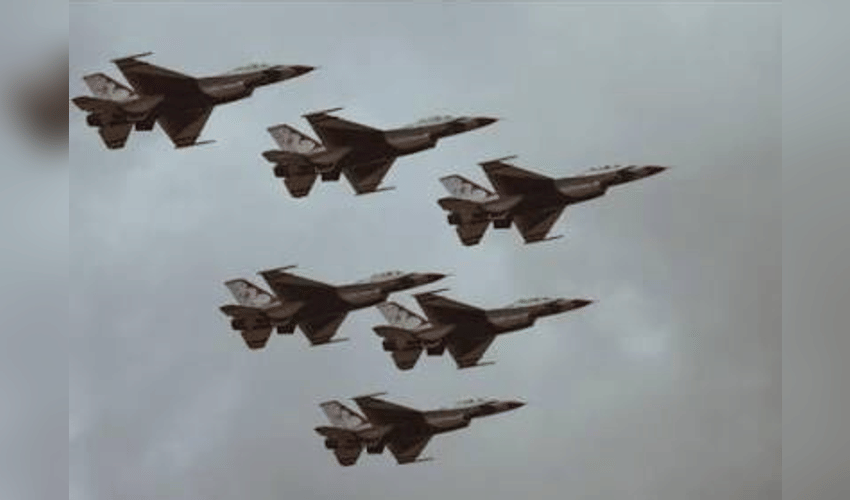

The Indian Air Force (IAF) has secured the sixth position in the World Directory of Modern Military Aircraft (WDMMA) Global Air Powers Rankings 2026, reaffirming Indias growing military aviation capabilities on the global stage. While the overall list includes multiple branches of the United States military as separate air arms, India effectively stands as the third most powerful independent national air force, behind only the United States and Russia. Pakistan, meanwhile, has been placed at 18th in the latest rankings.
The WDMMA rankings evaluate air forces using a proprietary TrueValueRating (TvR) system rather than relying solely on aircraft numbers. This methodology considers several factors, including fleet modernization, combat readiness, pilot training, logistical capabilities, force balance, and operational effectiveness. As a result, an air force with fewer but more advanced and better-maintained aircraft can rank above one with a larger inventory.
According to the 2026 rankings, the United States Air Force remains the worlds strongest air arm, followed by the United States Navy, Russian Air Force, United States Army Aviation, and the United States Marine Corps. The Indian Air Force occupies the sixth position, ahead of several major military powers, including Chinas Peoples Liberation Army Air Force, which is ranked seventh. Pakistan Air Force is placed eighteenth in the global list.
One reason analysts describe India as the third most powerful independent air force is that the top five rankings include four separate American military aviation branches. When rankings are viewed by sovereign nations rather than individual service branches, India trails only the United States and Russia, placing it ahead of China in this assessment.
The Indian Air Forces strong performance reflects years of modernization and capability enhancement. Over the past decade, the IAF has inducted advanced platforms such as the Rafale fighter jets, upgraded the Su-30MKI fleet, expanded its network-centric warfare capabilities, strengthened air defence systems, and improved surveillance through airborne early warning aircraft. Strategic transport aircraft and attack helicopters have also significantly enhanced Indias ability to conduct rapid operations across diverse terrains.
Experts note that modern air power is no longer measured simply by the number of aircraft. Factors such as precision strike capability, electronic warfare, interoperability, maintenance efficiency, and the ability to sustain long-duration operations play an increasingly decisive role. These qualitative aspects contribute significantly to Indias high standing in the WDMMA rankings despite operating a smaller fleet than some competitors.
The ranking also highlights the evolving strategic environment in Asia. With China continuing to expand its military aviation assets and Pakistan investing in newer fighter platforms, Indias continued focus on modernization remains critical. Planned acquisitions, indigenous fighter programs, advanced missile systems, and unmanned aerial capabilities are expected to further strengthen the IAFs operational readiness in the coming years.
While no single ranking can perfectly capture real-world combat effectiveness, the WDMMA assessment offers a comprehensive snapshot of global military aviation by balancing technology, readiness, logistics, and force quality. Indias placement among the worlds top air powers underscores its growing strategic influence and its commitment to maintaining a capable and modern air force capable of addressing evolving regional and global security challenges.
Disclaimer : This image is taken from Facebook.



