



Politics
'Didn't Want Headlines, Wanted Solutions': Raghav Chadha Explains Silence on NEET Paper Leak Row
Published On Fri, 31 Jul 2026
Fatima Hasan
5 Views
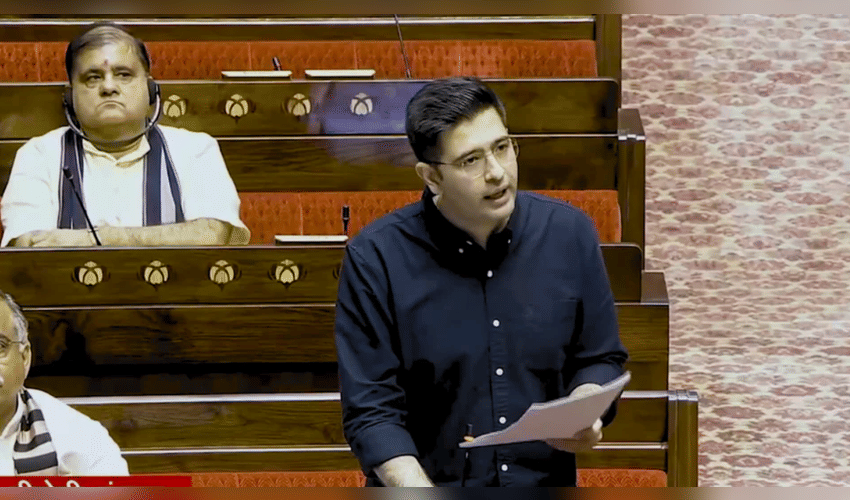

Aam Aadmi Party (AAP) Rajya Sabha MP Raghav Chadha has explained why he did not make public statements during the NEET paper leak controversy, saying his focus was on finding lasting solutions rather than seeking media attention. Speaking in the Rajya Sabha during the debate on the Anti-Paper Leak Bill, Chadha said he deliberately stayed away from making headlines while the controversy unfolded. He maintained that the issue required serious policy intervention instead of political rhetoric.
I didnt want headlines. I wanted solutions, Chadha said, adding that the future of millions of students should not become a platform for political point-scoring. The AAP leader argued that examination paper leaks cannot be addressed through speeches or television debates alone. According to him, the country needs a robust legal and administrative framework to prevent such incidents from recurring and to restore confidence in the examination system.
Backing the proposed anti-paper leak legislation, Chadha said stricter laws and stronger enforcement mechanisms are necessary to curb organised exam fraud. He stressed that those responsible for compromising competitive examinations should face stringent punishment. The NEET paper leak controversy sparked widespread protests and raised concerns about the integrity of one of Indias most important entrance examinations. Students and parents across the country demanded accountability and reforms after allegations of irregularities emerged during the examination process.
During his speech, Chadha said the primary objective should be to ensure that hardworking students are not deprived of opportunities because of systemic failures or criminal networks involved in paper leak rackets. He also emphasized that rebuilding public trust in the examination system would require more than punitive action. Strengthening security protocols, improving transparency, adopting technology-driven safeguards and ensuring swift investigations are equally important to protect the credibility of national-level competitive exams.
The Anti-Paper Leak Bill is being discussed in Parliament as the government seeks to introduce stricter measures to prevent examination malpractices. The proposed legislation aims to deter organised paper leak syndicates and strengthen the integrity of recruitment and entrance examinations across the country. Chadhas remarks come amid continuing political discussions over examination reforms, with several parties calling for stronger safeguards to ensure that merit remains the sole basis for selection in competitive exams.
Disclaimer: This image is taken from Hindustan Times.



