



News
Delhi's Hauz Rani to Lucknow Aliganj: Why Summer Heat Is Increasing the Risk of Electrical Fires
Published On Tue, 23 Jun 2026
Fatima Hasan
13 Views
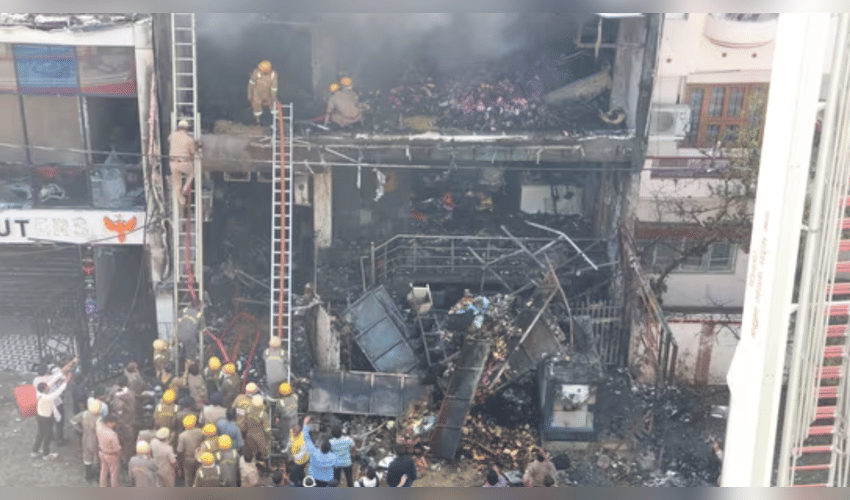

As temperatures continue to rise across Indian cities, concerns over electrical fires have intensified following major fire incidents in Delhi’s Hauz Rani and Lucknow’s Aliganj. The tragedies have once again highlighted how rising summer temperatures, increased power consumption and ageing electrical systems can combine to create dangerous fire situations. During the summer months, electricity usage reaches its peak as homes, offices and commercial establishments depend heavily on air conditioners, coolers, refrigerators and other high-power appliances. Fire safety experts say that when electrical systems are unable to handle the increased load, overheating, short circuits and equipment failures can trigger fires.
The science behind such incidents is linked to the way electrical systems respond to heat and excessive demand. Wires carrying more current than their capacity generate additional heat. If the insulation around the wiring is damaged or the connections are loose, the heat can lead to sparks and eventually a fire. The recent fire in Delhi’s Hauz Rani area brought attention to the challenges faced by densely populated urban neighbourhoods. The blaze in a building in South Delhi’s Malviya Nagar area caused multiple deaths, with investigators examining different possible causes, including electrical faults.
A similar concern emerged after the devastating fire in Lucknow’s Aliganj area, where a commercial building caught fire and several people lost their lives. Initial reports pointed towards a suspected electrical fault involving an air-conditioning unit, while authorities continued investigating the exact cause. Experts also raised questions about building design, evacuation arrangements and fire safety preparedness. Electrical fires often become severe because they can start silently. A faulty wire hidden behind a wall, an overloaded socket or a damaged appliance may not show immediate signs until the problem becomes critical. In many cases, residents notice warning signals such as burning smells, frequent power trips, flickering lights or unusually hot switches only shortly before a failure.
The problem is particularly serious in older buildings where electrical infrastructure may not have been upgraded despite a sharp rise in electricity usage. Many residential and commercial properties built decades ago were designed for much lower power consumption compared with today’s demand from modern appliances. Urban experts say the combination of extreme heat, crowded construction and rising dependence on electrical equipment has made fire prevention more important than ever. Regular wiring checks, proper maintenance of air conditioners and avoiding overloading of sockets are among the basic safety measures that can reduce risks.
The incidents in Hauz Rani and Aliganj serve as a reminder that electrical safety cannot be ignored during the summer season. While investigations determine the exact causes of individual fires, experts believe better maintenance, stronger enforcement of safety standards and greater public awareness are essential to prevent similar tragedies in the future.
Disclaimer: This image is taken from Hindustan Times.



