



News
Assam Floods Leave Sivasagar Nepalikhuti in Ruins as Families Struggle to Recover
Published On Wed, 29 Jul 2026
Fatima Hasan
9 Views
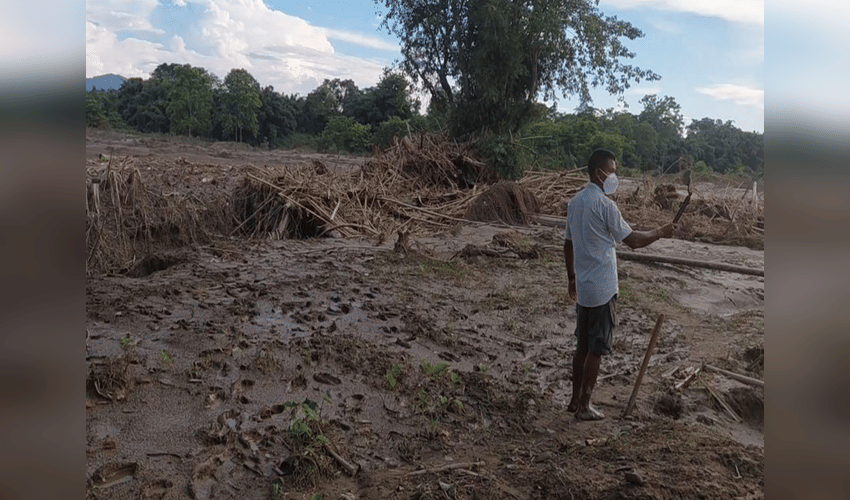

The village of Nepalikuti, located in Assams Sivasagar district under the Nazira Assembly constituency, is grappling with the devastating aftermath of severe flooding that swept away homes, farmland, livestock and personal belongings, leaving hundreds of families facing an uncertain future. Residents said floodwaters from the Dikhow River surged into the village around 11 a.m. on July 19, inundating the area within a matter of hours. The powerful current destroyed houses, submerged agricultural fields, washed away cattle sheds, food stocks, farming tools and household possessions, while claiming large numbers of livestock.
For many families, farming and dairy production were the primary means of earning a living. The loss of cows, buffaloes and other animals has dealt a major blow to their livelihoods. Several animal carcasses remain trapped in damaged cattle sheds, creating sanitation concerns and increasing the risk of disease outbreaks. As the waters rose rapidly, many residents sought refuge on the rooftops of their homes. However, several structures later collapsed under the force of the floodwaters. Locals claim that around nine to ten people have either died or remain missing, while many families continue searching for loved ones.
Speaking to ANI, resident Krishna Sharma described the scale of the disaster, saying countless homes and livestock were lost, leaving families without shelter, food or any source of income. He urged authorities to provide immediate financial assistance and relief to those affected. Although floodwaters have receded, the village continues to face enormous challenges. Thick layers of sand and silt now blanket large parts of Nepalikuti, burying homes and valuable possessions. In many places, only fragments of walls, bamboo frames and tin roofing remain visible, illustrating the extent of the destruction.
Another villager told ANI that while the floodwater had disappeared, daily life remained extremely difficult. Houses and belongings remain buried beneath mud and sand, while access to clean drinking water, food and shelter continues to be limited. Residents have appealed to the administration for urgent support to help them rebuild. Furniture, clothing, kitchen utensils, televisions, motorcycles, cars and farming equipment remain trapped beneath the accumulated silt. Floodwaters also deposited massive quantities of trees, bamboo and debris throughout the village, making clean-up operations difficult and delaying the removal of dead livestock.
The district administration has initiated work to restore connectivity by clearing major roads. However, most residential lanes and interior roads remain blocked by sand and debris. The shortage of drinking water, food supplies, temporary accommodation and healthcare services continues to add to the hardships faced by affected families. Another local resident told ANI that the flood arrived with little warning, forcing people to abandon their homes as food grains, livestock and household belongings were swept away. Many families survived only by climbing onto rooftops and are now relying on government assistance to restart their lives.
Resident Asha Devi also described the devastation, saying her family had lost its home, belongings and livestock, leaving them without any means of livelihood. She appealed for immediate access to food, safe drinking water, medical care, temporary shelter and adequate compensation. According to locals, many important documents, cash savings, household items and agricultural equipment remain buried beneath the debris. Having lost both their property and livelihoods, numerous families are now dependent on government relief, charitable organisations and community support.
Residents have urged authorities to accelerate clean-up operations, safely dispose of dead animals, restore essential services and ensure the supply of food, drinking water, medical assistance and temporary housing. They have also demanded fair compensation for farmers whose crops, livestock and livelihoods were destroyed. The tragedy unfolding in Nepalikuti reflects the wider impact of Assams floods. Although the waters have receded, the emotional and economic scars remain, with families continuing to cope with loss, uncertainty and the daunting task of rebuilding their lives.
Disclaimer: This image is taken from ANI.