



World
Trump pushes tariffs, targets China
Published On Tue, 05 May 2026
Asian Horizan Network
3 Views
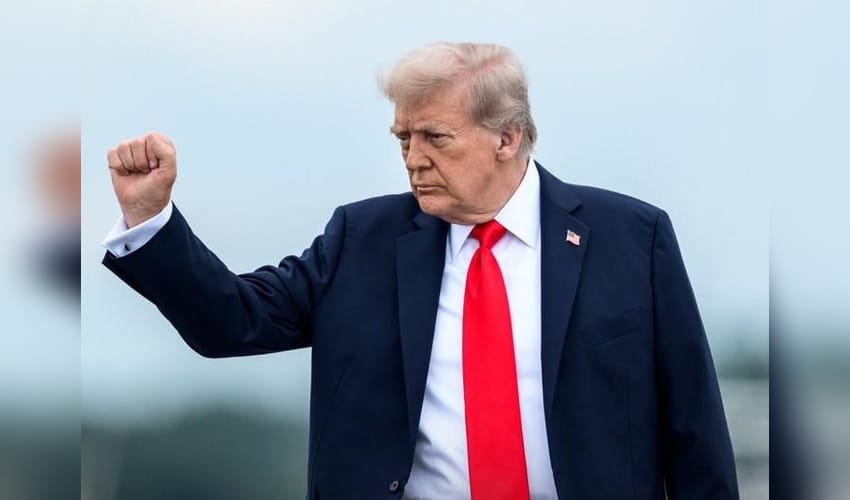

Washington, May 5 (AHN) US President Donald Trump said tariffs would remain a central tool of US trade policy, signalling tougher measures against China and other countries he accused of undercutting American businesses.
Speaking at the White House, Trump said domestic firms had been hurt by cheaper imports. “You’re getting hurt by China and other countries making a product that’s not as good, but it’s less money,” he said ahread of his trip to China later this month.
He argued that tariffs were helping reverse that trend and boost revenues. “Because of the use of tariffs, we have all this money,” Trump said.
The president indicated that current tariff levels may not be sufficient. “The tariffs really aren’t high enough in my opinion,” he said, pointing to sectors facing sustained pressure from foreign competition.
Trump said companies could avoid tariffs by relocating production to the United States. “If they come in and build a business here… there are no tariffs,” he said.
He linked tariffs to a broader revival in US manufacturing. “We lost our car industry… and they’re all coming back,” Trump said, describing what he called a manufacturing boom.
He described US-China relationship as competitive but not adversarial. “We’re leading China in AI… we have friendly competition,” he said, ahead of a planned meeting with Chinese President Xi Jinping.
At the same time, he criticised past trade policies. “We’ve been ripped off in this country for decades,” Trump said, arguing that earlier administrations had failed to protect domestic industries.
He pointed to tariffs as a corrective measure. “It’s made our country rich — really rich,” he said.
Trump highlighted specific sectors, including furniture and manufacturing, where he said tariffs would help bring production back to the US. “We’re going to bring all the furniture back… you’re going to see it,” he said.
He acknowledged legal challenges to tariff policies but said alternative mechanisms were being used. “We have other ways of tariffing… they’re more tested, they’re stronger,” he said.



