



World
South Korea's Defence Ministry to dismantle counterintelligence command involved in martial law bid
Published On Thu, 08 Jan 2026
Asian Horizan Network
72 Views
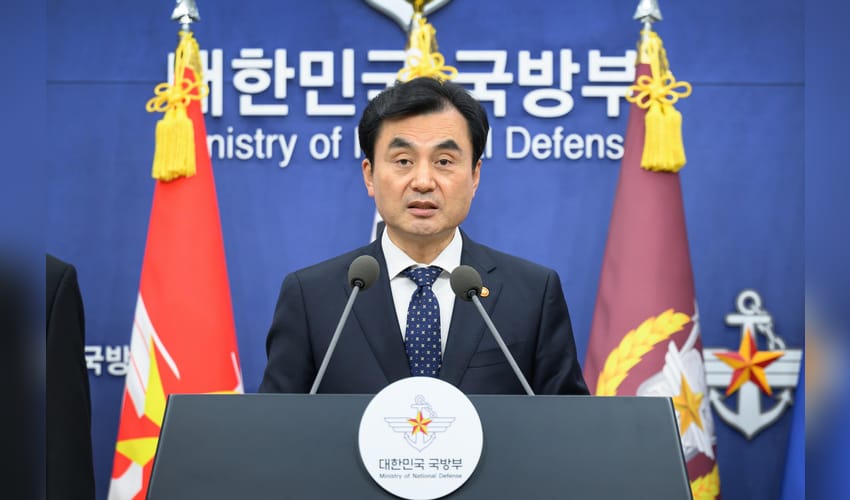

Seoul, Jan 8 (AHN) South Korea's defence ministry will seek to disband the Defence Counterintelligence Command embroiled in former President Yoon Suk Yeol's 2024 botched martial law bid, officials said on Thursday, in what would mark the command's dissolution after 49 years upon completion.
The command is suspected of having played a key role in Yoon's short-lived martial law imposition in December 2024, with its former commander standing trial for allegedly deploying troops to the National Assembly and the National Election Commission on the night of the martial law attempt, Yonhap News Agency reported.
While the command tasked with counterintelligence activities has been renamed several times under different governments amid criticism over its influential role, it marks the first time the command will be dismantled since it was established in 1977 as a unit integrating counterintelligence activities of the Army, Navy and Air Force.
"We have advised the constructive dismantling of the Defence Counterintelligence Command and transferring or removing its existing functions, such as security investigation, counterintelligence and security audit," Hong Hyun-ik, the chief of a special committee tasked with reforming the command, said in a briefing.
The committee, comprising military, government and civilian officials, advised the military to establish a new organisation specialised in securing counterintelligence, counterterrorism and arms industry intelligence, Hong said.
The plan comes as the defence ministry has been seeking to rebuild the military following the martial law bid that has led to the removal of senior military leaders from office, including the former chiefs of the counterintelligence command, as well as the defence intelligence command and capital defence command.
In a report submitted to lawmakers last year, the ministry said the counterintelligence command holds "excessive" rights ranging from securing intelligence to investigation, saying its functions should be adjusted so that it only specialises in counterintelligence activities.
Alongside deploying troops on the night of the martial law imposition, the command is also suspected of organising troops to detain around 10 key politicians, including the then leaders of the ruling and main opposition parties as well as the National Assembly speaker.
As part of the reform, the committee called for installing a separate unit tasked with personnel verification, while transferring the command's investigative functions to the ministry's existing investigative headquarters. The committee recommended that contested functions, such as collecting information on military personnel and trends, should be scrapped.
To prevent possible lapses that could occur in the process of dispersing the functions across different units, the committee called for the establishment of a cooperative body to share relevant information.
"The reform of the Defence Counterintelligence Command should be conducted in a direction that strengthens counterintelligence and security functions that are pivotal to national security, while ensuring democratic control and constitutional values," Hong said.
The defence ministry said it plans to draw up detailed measures to carry out suggestions made by the special committee and take necessary legal and organisational steps in phases to complete the reform before the end of the year.