



World
PM Modi’s Israel visit expected to deepen strategic ties: Analyst
Published On Wed, 25 Feb 2026
Asian Horizan Network
54 Views
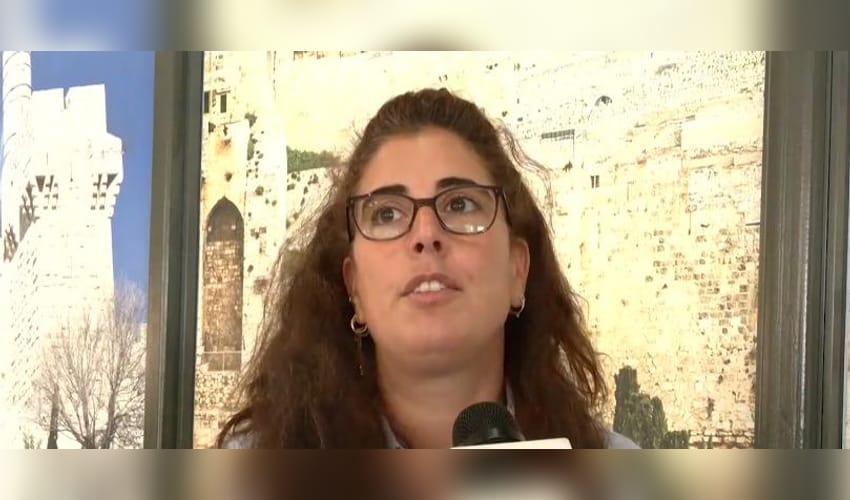

Tel Aviv, Feb 25 (AHN) Lauren Dagan Amos, a Tel Aviv-based expert who researches Indian politics and foreign policy, reacted to Prime Minister Narendra Modi’s visit to Israel, saying there is an atmosphere of pride, gratitude, and excitement in Israel regarding the trip.
According to Amos, India’s rapid economic growth, digital transformation, and strengthening diplomacy are key topics of discussion during the visit. She told AHN that people are very eager to see the Prime Minister, as he connects with the Indian diaspora during every foreign visit, and that connection is fueling enthusiasm this time as well.
Describing the meeting as significant, Amos said this is not the first interaction between the two leaders, but its importance is much greater in the current context. During the visit, both countries may advance cooperation in economic, cultural, and defence sectors.
Speaking about the history of India-Israel relations, Amos noted that full diplomatic ties were established in January 1992. However, a visible shift occurred after 2014. Earlier, relations remained limited in scope and relatively low-profile, but later they expanded openly beyond defence to include economic and cultural cooperation.
On security cooperation, Amos said both countries face similar challenges, including dealing with extremist threats domestically and internationally. She noted that recent military operations and the Gaza conflict have underscored the importance of air defence systems, adding that both nations can learn from each other, which will further deepen strategic ties.
She also described this as PM Modi’s second visit to Israel, calling it historically significant, as no Indian Prime Minister had visited Israel before 2017. Amid difficult global circumstances, his visit sends an important message. She added that since October 7, India has maintained a supportive stance towards Israel without any visible strain in relations.
On economic cooperation, Amos said investment has been the foundation of bilateral ties, with agriculture and water management being key areas even before formal relations. She recalled that Narendra Modi visited Israel in 2002 as Gujarat Chief Minister and reviewed investments, including those by irrigation firm Netafim.
Amos said many agreements currently being discussed may have already been signed earlier. While no major new deal may emerge during this visit, it could pave the way for future agreements. She added that defence cooperation has strengthened further over the past two years, including a recent memorandum signed during a high-level visit by India’s defence officials.
She concluded that the partnership should extend beyond security to development sectors, encouraging greater Israeli investment and technological collaboration in India for long-term mutual benefits.



