



World
Pakistan's faulty tax system is a bane for its citizens
Published On Sun, 12 Apr 2026
Asian Horizan Network
1 Views
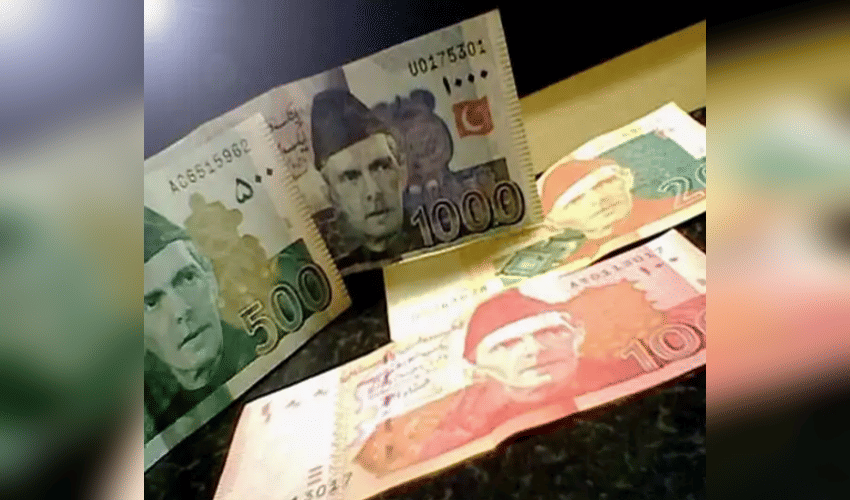

New Delhi, April 12 (AHN) The World Bank, the IMF, tax consultants, and commentators frequently assert that Pakistan suffers from a "tax gap" of seven to nine per cent of GDP.
This gap in the shortfall between what is collected and what the law, ideally enforced, would yield, and the metric implies that this shortfall is a result of citizens not paying the taxes that are due from them. This narrative favours the tax collector and policymaker to deflect their own mistakes and increased coercion to ensure compliance, according to an article in the Dawn newspaper.
The article is of the view that it is wrong to blame taxpayers for this shortfall in collections, as a large share of this gap is not evasion but policy. By lumping together evasion, avoidance, and policy-driven exclusions, the narrative shifts attention away from a warped tax policy and weak state legitimacy.
It points out that Pakistan possesses a distorted, fragmented tax system due to separate federal and provincial jurisdictions. This system is riddled with exemptions, concessions, and preferential regimes, as well as excessive and often multiple taxes. Excessive taxation and several exemptions, with a complicated and confused policy, force even good citizens to game the system for survival. In addition, most working adults earn below the income tax threshold. What looks like non-compliance is part poverty, part deliberate exclusion.
The article further states that the design of the system is also inefficient, exemplified by a host of convoluted taxes, high rates, heavy reliance on over 230 distortive withholding taxes and unpredictability (frequent changes in laws and procedures). Moreover, compliance processes are complex, and the paperwork so burdensome that even willing taxpayers struggle to comply. It is revealing that much of the gap is actually documented policy. Official tax expenditure reports list the vast exemptions across the system. Similarly, the sales tax system is weakened by exemptions that break the value-added chain. What appears as a gap is often just a system not designed to function cleanly.
Treating the full gap as ‘recoverable’ leads to direct bad policy, poor outcomes, unrealistic IMF-imposed targets, and excessive pressure on the Federal Bureau of Revenue, leading to harassment of those already documented. This ‘squeezing of the squeezed’ targets captive salaried individuals and a small number of firms, which also bear a heavy compliance burden as collection agents for the FBR. They get punished simply because they are visible in the data. The consequences are predictable. Fear of the system discourages registration. Firms fragment to stay below thresholds. Transactions move off the books. Cash use increases (cash in circulation today is Rs 12.1 trillion, having increased by Rs 1.5 trillion this year). The effective tax base shrinks even as enforcement intensifies, the article lamented.