



Asia In News
Pakistan legal system treats child marriage as procedural irregularity instead of violation of rights: Report
Published On Sun, 03 May 2026
Asian Horizan Network
1 Views
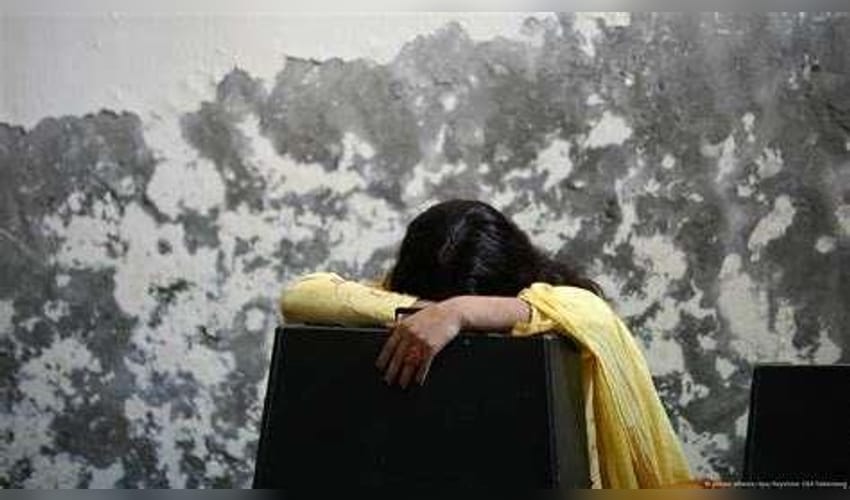

London, May 3 (AHN) Pakistan's legal system continues to treat child marriage as a procedural irregularity and not a substantive violation of rights, with the Federal Constitutional Court's judgement in the Maria Shahbaz case on March 30 once again highlighting how this phenomenon is being treated in it, according to a report.
In the verdict, the court upheld the marriage of a minor Christian girl to a Muslim man, grounding its reasoning in Islamic jurisprudence that allows marriage between a Muslim man and a woman from the "People of the Book." The court refused to declare the marriage void, sparking concerns about the fragmented and inconsistent legal framework governing child marriage in Pakistan, according to the report in the UK-based daily Asian Lite.
The ruling is especially concerning when placed amid recent legislative reforms. In May last year, the Islamabad Capital Territory Child Marriage Restraint Act came into effect, setting 18 as the minimum legal age for marriage and criminalising underage marriages. This reform came after a 2023 Federal Shariat Court verdict upheld 18 as a valid minimum age, stressing that mental maturity (rushd), not merely puberty, is a prerequisite for marriage under Islamic principles. These developments indicate a slow but meaningful shift toward harmonising Pakistan’s laws with international human‑rights standards.
"The latest Federal Constitutional Court ruling demonstrates how easily these gains can be undermined. By validating a marriage involving a minor while simultaneously recognising that the act of contracting such a marriage is punishable, the court has entrenched a troubling duality: child marriage may be a crime, but its outcome remains legally enforceable. This contradiction weakens statutory protections and leaves minors, particularly girls, vulnerable to coercion, forced conversion, and exploitation," Shaheena Beegum said in the Asian Lite report.
This inconsistency is more apparent when compared to the Islamabad High Court's handling of the Madiha Bibi case in October last year, where the court allowed a 15-year-old girl to live with her husband, despite official records stating she was underage. The court said that the 2025 Act criminalises marriage below the age of 18 years; however, it does not declare such marriages void. The verdict relied heavily on Islamic jurisprudence, which presumes puberty at 15 and considers marriage valid if free consent is given.
"This reasoning echoed earlier precedents, including the 1970 Mauj Ali case, which held that a marriage contracted after puberty is valid even if it violates statutory age requirements. Taken together, these rulings reveal a deeper structural problem: Pakistan’s legal system continues to treat child marriage as a procedural irregularity rather than a substantive violation of rights. The courts’ reluctance to invalidate such marriages reflects a broader judicial tendency to prioritise religious interpretations over statutory protections, even when those interpretations conflict with constitutional guarantees of dignity, equality, and bodily autonomy," Shaheena Begum wrote in the article.



