



Economy
Pakistan faces renewed macroeconomic strain as global debt hits record highs
Published On Fri, 15 May 2026
Asian Horizan Network
41 Views
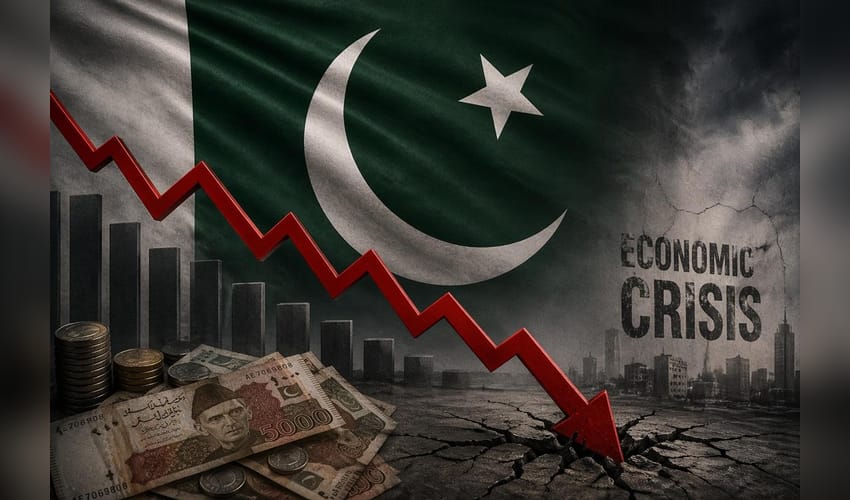

New Delhi, May 15 (AHN) Pakistan is set to face renewed macroeconomic pressure as global debt has climbed to unprecedented levels, underscoring widening vulnerabilities across emerging economies already grappling with tight external financing conditions and volatile commodity markets, a report has said.
The report published in Business Recorder highlighted that the latest assessment of global financial conditions shows that overall debt has surged to record highs, driven largely by sustained borrowing in major advanced economies.
While these economies continue to absorb large debt expansions with relatively limited immediate market disruption, the spillover effects are increasingly being felt in financially weaker and import-dependent nations, it said.
For Pakistan, which remains heavily reliant on external financing and vulnerable to fluctuations in global commodity prices, the timing of this global debt surge adds another layer of complexity to an already fragile recovery path.
The report further highlighted that persistent inflationary pressures, energy import dependence and tightening global liquidity conditions continue to constrain policy flexibility.
Moreover, recent increases in global oil prices following geopolitical instability have further compounded risks for energy-importing economies.
Higher fuel costs are expected to feed into transport, food and overall inflation, putting additional pressure on households already facing a prolonged cost-of-living squeeze, according to the report.
At the same time, global financial conditions remain tilted in favour of advanced economies, where borrowing continues at scale without immediate fiscal stress signals.
In addition, emerging markets like Pakistan face significantly higher refinancing costs, tighter external account constraints and greater exposure to capital flow volatility.
The report flagged that this divergence highlights a structural imbalance in the global financial system, where debt accumulation in large economies can remain sustainable for longer periods, while smaller economies face rapid adjustment pressures when external conditions tighten.
In Pakistan’s case, ongoing stabilisation efforts remain closely tied to external financing flows and multilateral support, leaving the economy sensitive to shifts in global risk sentiment and commodity cycles.



