



World
Number of schools overseas teaching Korean up 54 pc over four years
Published On Sun, 10 May 2026
Asian Horizan Network
3 Views
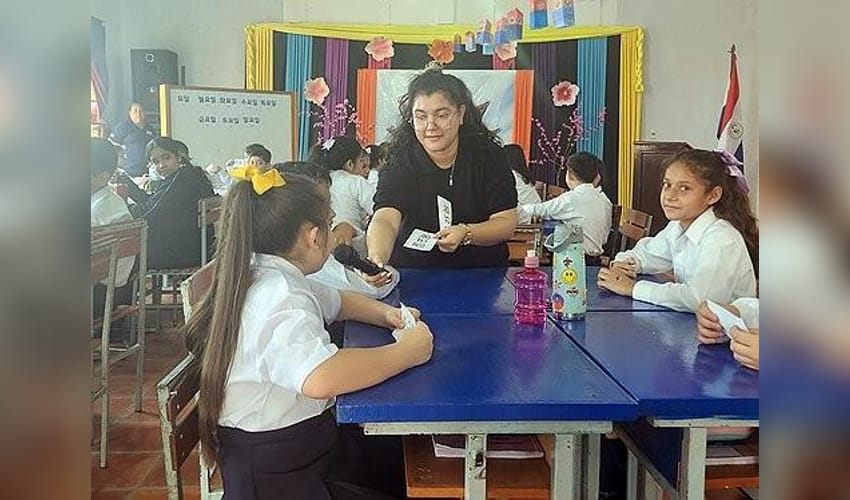

Seoul, May 10 (AHN) The number of schools overseas teaching the Korean language increased by 54 per cent over the last four years, partly reflecting the growing popularity of Korean culture, a South Korean lawmaker said on Sunday, citing education ministry data.
As of the end of last year, there were 2,777 elementary, middle and high schools overseas offering Korean-language classes, up 9.9 per cent from 2024, according to Rep. Kim Moon-soo of the ruling Democratic Party, reports Yonhap news agency.
The number grew every year from 1,806 in 2021 to 1,928 in 2022, 2,154 in 2023 and 2,526 in 2024, he said. During the four-year period, the number of students taking Korean classes at these schools rose 38 per cent to 236,089.
The education ministry attributed the increase to the influence of Korean culture, growing demand to study in South Korea, and the government's financial support for Korean classes, textbooks and teaching staff.
Schools in 47 countries offered Korean-language classes last year, up from 42 in 2021. From 2024 to 2025, 68 schools were added in Uzbekistan alone, followed by 43 in Sri Lanka, 37 in Vietnam and 26 in the Philippines.
Earlier in April, Oxford University planned to launch a centre for Korean studies as early as October to boost research in Korean culture, language and history, professors leading the project have said.
The university announced the establishment of the Oxford Centre for Korean Studies during the official public opening of Oxford's Stephen A. Schwarzman Centre for the Humanities.
The centre's establishment, led by Jieun Kiaer, James Lewis and Chi Young-hae of the university's Korean studies program, received final approval from a faculty meeting in March.
The centre will oversee Korea-related research and lectures, and promote further research in modern Korean politics, economy and literature.
It marks the latest addition of such a centre at the university, following the establishment of centres on Japanese and Chinese studies in 1981 and 2008, respectively.



