



Economy
India’s economy remains strong amid West Asia, weak monsoon risks: RBI chief
Published On Fri, 17 Jul 2026
Asian Horizan Network
4 Views
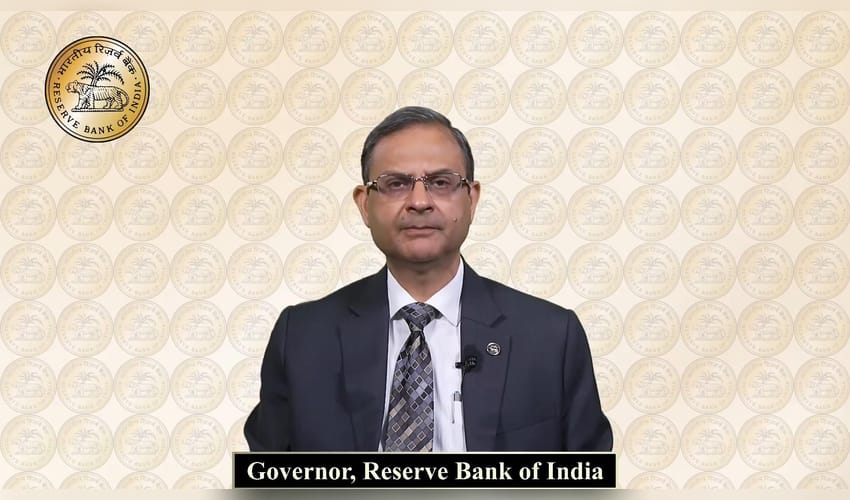

Mumbai, July 17 (AHN) RBI Governor Sanjay Malhotra said on Friday that India’s fundamentals remain strong, with a decent pace of economic expansion despite geopolitical uncertainties triggered by the West Asia crisis.
In an exclusive interview to Doordarshan, the RBI governor also admitted that the ongoing geopolitical tensions in West Asia and a potentially weak monsoon pose key risks to India’s economy.
Malhotra defended the performance of the rupee in the backdrop of a strengthening US dollar.
“After the war in West Asia, the dollar has become strong. The currencies of many countries have weakened. If we look at it from a global perspective, India’s rupee situation can be considered normal,” the RBI governor observed.
Malhotra said India's external sector should remain resilient, with strong services exports, remittance inflows, record foreign direct investment and new trade agreements kicking in which would boost exports.
The RBI governor also cited recent government measures to ease foreign investment in government securities, rising services exports and remittances, as well as trade agreements with the UK and ongoing negotiations with the European Union and the US, as steps which would bolster the country’s balance of payments.
“However, challenges for the economy remain, and policymakers need to stay in a “wait and watch mode, he added.
Referring to the elevated inflation level which is currently hovering at 4 per cent, he said, “recent price pressures were largely driven by supply-side factors.”
The RBI has left its benchmark policy rate unchanged at 5.25 per cent so far this year as it maintains a delicate balance between ensuring economic growth with price stability.
Global oil prices have surged again as the US and Iran have resumed hostilities, with ship movement through the Strait of Hormuz coming to a near-halt again. India imports around 88 per cent of its crude requirement and any escalation in oil prices leads to an increase in the current account deficit and also fuels inflation.
India’s retail inflation was recorded at 4.38 per cent in June this year compared to the same month of the previous year, according to the latest data released by the Ministry of Statistics.
The CPI inflation is within the RBI safe zone which has 4 per cent as the midpoint. The tolerance zone of the RBI ranges from 2 per cent to 6 per cent.
The RBI has projected headline Consumer Price Index (CPI) inflation for FY27 at 5.1 per cent, up from its earlier estimate of 4.6 per cent. The projection reflects increased risks from global supply chain disruptions and volatile commodity prices driven by geopolitical tensions in West Asia.
RBI’s six-member monetary policy committee will meet August 3-5 to take a call on key interest rates after weighing the economic situation.



