



Technology
India to scale value‑added seafood exports, tap marine potential
Published On Sat, 11 Apr 2026
Asian Horizan Network
2 Views
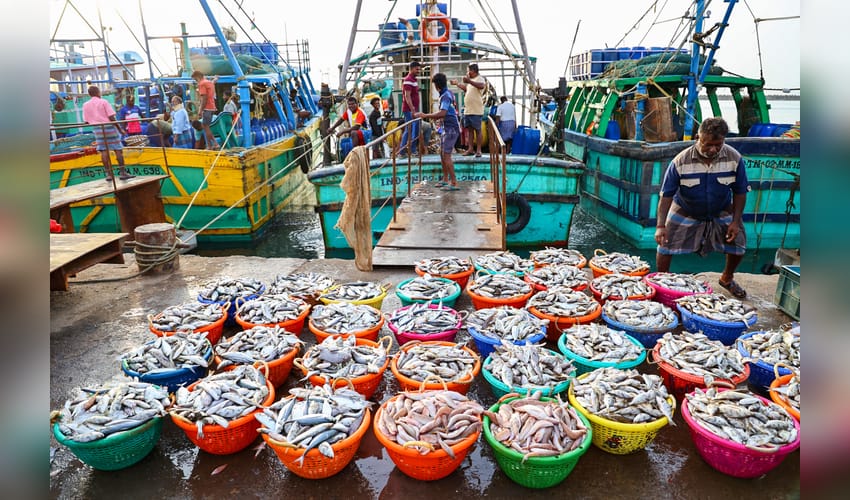

New Delhi, April 11 (AHN) India’s seafood exports have recorded robust growth, driven largely by strong performance in non‑US markets, according to Union Minister Rajiv Ranjan Singh, who emphasised the need for sustained market and product diversification and strict regulatory compliance, including adherence to antibiotic bans and strengthened traceability systems.
The seafood exports have recorded strong and sustained growth, expanding at an average annual rate of 7 per cent over the past 11 years.
Marine product exports have more than doubled during the period, rising from Rs 30,213 crore in 2013‑14 to Rs 62,408 crore in 2024‑25, driven largely by shrimp exports valued at Rs 43,334 crore.
Addressing the ‘Seafood Exporters Meet 2026’ here, Singh congratulated exporters for their efforts in enhancing seafood exports.
Referring to the EEZ Rules, he stated that the framework is being operationalised through Access Passes, with priority being accorded to cooperative societies to promote inclusive growth.
He underscored the export potential of high‑value species such as tuna from the Andaman & Nicobar Islands, the EEZ and the high seas, and called for improved onboard handling, robust cold‑chain infrastructure, better packaging, value addition and the exploration of alternative markets to reduce post‑harvest losses and strengthen the export ecosystem.
Exporters were also urged to work towards achieving the Rs 1 lakh crore export target and adopt an open‑market approach, assuring support from institutions such as EIC, NCDC, NABARD and the Ministry of Food Processing Industries.
Minister of State for Fisheries, George Kurian, said that in line with the post‑Budget webinar 2026, concerted efforts are being made to position fisheries as a high‑value, high‑demand sector.
Noting the encouraging growth in seafood exports, he appreciated exporters for their sustained efforts and emphasised that strict regulatory compliance, including traceability and certifications, along with strengthened logistics and value‑chain development, is essential to sustain export growth.
Stakeholders appreciated the proactive support from the government at the meeting and highlighted key challenges and opportunities in boosting seafood exports, including the need to streamline procedures for issuance of Catch Certificates, facilitation of permits for seaweed cultivation (Kappaphycus) in the Andaman & Nicobar Islands, and targeted support for fish‑meal manufacturers to scientifically develop and upscale production of high-quality fish feed meal.
—AHN
na/



