



World
How Philippines succeeded in limiting Chinese coercion in Second Thomas Shoal
Published On Sat, 04 Apr 2026
Asian Horizan Network
2 Views
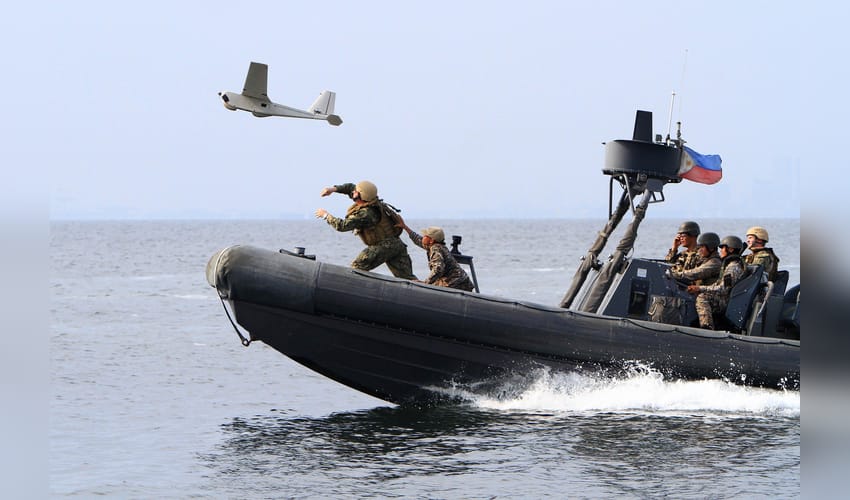

Beijing/Manila, April 4 (AHN) The provisional understanding between the Philippines and China over the contested Second Thomas Shoal in the South China Sea underscores how Manila has countered Chinese coercion through quiet resolve backed by political leadership, alliance support, calculated military moves, and public willingness to bear the cost of managed escalation.
“Chinese coercion was defeated by persistence that denied it success. The Philippines did not secure Second Thomas Shoal because various spokespersons made noise or diplomats placed the right words in the Provisional Understanding. The Philippines showed the world an antidote to coercion through quiet resolve: a President who refused to leave, an alliance that showed up at sea to signal support, a military that took calculated risks, and a Filipino public that accepted the price of managed escalation,” a report in The Diplomat detailed.
“At some point, China will seek to revise or abandon the arrangement. The real question is whether Manila will have the same capacity to refuse and endure when that time comes,” it added.
According to the report, the developments leading to the provisional understanding in July 2024 indicate that the Philippines’ response to China’s coercion was not shaped by assertive transparency or quiet diplomacy but by national resolve – “a state’s willingness to pursue its declared national interests or policy despite escalating costs and mounting pressure to back down.”
“For months leading up to June 17, 2024, Chinese maritime forces escalated pressure around Second Thomas Shoal. They started by using military-grade lasers, escalating to dangerous manoeuvres, water cannoning, and ramming. Eventually, on June 17, 2024, Chinese coercion culminated in the violent boarding of a Philippine Navy boat that injured its personnel. Throughout this period, the Philippines practised both assertive transparency and sober diplomacy,” it added.
“The transparency campaign started as early as August 2023 during the first of what would become regular resupply missions to BRP Sierra Madre on Second Thomas Shoal. It was useful and helpful for attribution and to counter Chinese disinformation. It gave Western partners evidence to rally support as well as demonstrate the Philippines’ non-acquiescence to coercive demands," it mentioned.
The report noted the situation does not reflect the Philippines' capitulation to Chinese coercion.
Rather, the deal took shape because coercion failed to achieve desired Chinese objectives at acceptable costs. As the costs and risks of further violent engagements rose, it said, both sides settled for a temporary mutual operational understanding.
“The strategic lesson of the Provisional Understanding is that Philippine interests in Second Thomas Shoal were secured when demonstrated national resolve succeeded in limiting the ability of Chinese coercion to shape the behaviour it demands. In short, coercion loses value if Manila denies the accomplishment of its objectives. Prolonged tension, therefore, is not always a liability – it can be the very condition that reshapes the terms of future bargaining,” it emphasised.



