



Lifestyle
Gujarat’s sexed semen technology yields over 90 pc female calf births, reducing costs for livestock rearers
Published On Sun, 03 May 2026
Asian Horizan Network
2 Views
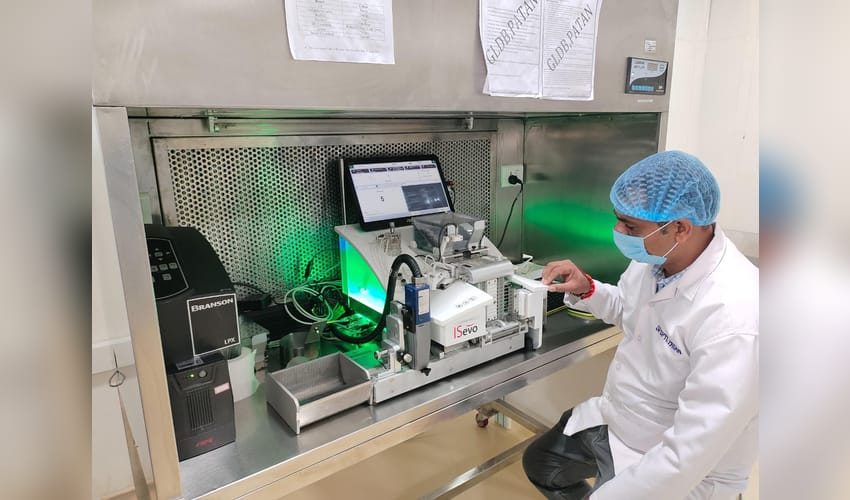

Gandhinagar, May 3 (AHN) A Gujarat government programme promoting the use of sexed semen in livestock breeding has resulted in more than 90 per cent female calf births among animals inseminated through the method, according to official data, reducing costs for livestock rearers and contributing to higher milk output.
Figures from the state’s Animal Husbandry Department show that by February 2026, a total of 3.41 lakh sexed semen doses had been used through its field offices, leading to 63,439 confirmed pregnancies.
Of these, 37,469 calves had been born, including 34,184 female calves and 3,285 male calves, indicating a female birth rate of about 91.23 per cent.
The initiative is being implemented through the Gujarat Bovine Semen Sexing Institute in Patan, established under a project approved in 2018-19 with 60 per cent funding from the central government and 40 per cent from the state.
Production of sexed semen doses began at the institute in June 2021, and a total of 8 lakh doses had been produced by February 2026.
Sexed semen technology involves separating sperm carrying X and Y chromosomes to influence the sex of the offspring.
Under natural conditions, the probability of male or female calves is roughly equal, but the use of X-chromosome-bearing sperm enables the birth of female calves with an accuracy of up to about 90 per cent.
Taufikbhai Momin, a livestock rearer from Koita village in Saraswati taluka of Patan district, said the technology had eased a long-standing concern.
He owns 40 cows and 130 buffaloes and produces around 250 litres of milk daily. “Due to this new technology of the government, we have benefited greatly. As the birth of male calves has stopped, the maintenance cost has reduced. Also, milk production has increased, and within just two years, the female calf starts giving milk, so income has also increased. Now I use only this technology,” he said.
Officials said the higher proportion of female calves reduces expenditure on feeding and maintaining male animals, which do not contribute to milk production, while also improving herd productivity and accelerating breed improvement.
It also reduces the need to procure animals from outside sources, lowering the risk of disease transmission.
Livestock rearers can additionally generate income by selling surplus female calves. The state has reduced the price of sexed semen doses for farmers from Rs 300 to Rs 50 per dose, despite a production cost of Rs 710, to encourage wider adoption.
Livestock rearers can access artificial insemination services using sexed semen through the department’s regional offices at this subsidised rate.
Milk unions in Gujarat are also producing sexed frozen semen doses and providing artificial insemination services at nominal prices.
During 2025-26, these unions produced 7.09 lakh doses and carried out 3.35 lakh inseminations, resulting in 52,246 pregnancies.
Of the 30,719 deliveries recorded, about 24,968 calves, or 81 per cent, were female.
The state government has indicated that, in response to demand from livestock rearers, it plans to produce an additional 8 lakh sexed semen doses over the next three years as part of ongoing efforts to improve animal productivity and support farm incomes.



