



Economy
Geopolitical tensions, oil prices likely to drive D-Street next week
Published On Sun, 22 Mar 2026
Asian Horizan Network
47 Views
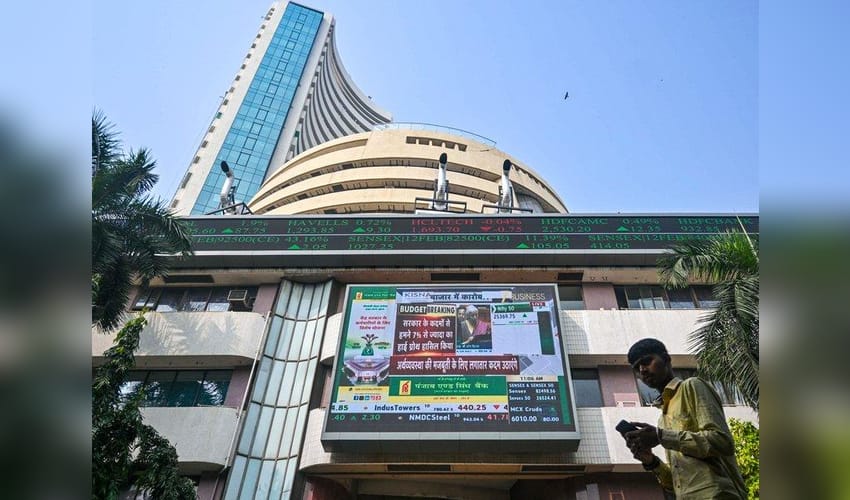

Mumbai, March 22 (AHN) The Indian stock market ended the week on a cautious note, and experts believe global tensions, rising crude oil prices, currency pressure and movement in precious metals will be key factors shaping investor sentiment in the coming days.
The benchmark indices, Nifty and Sensex, closed the week largely flat with a slight negative bias.
While the first three trading sessions remained positive, a sharp sell-off on Thursday erased most of the gains, followed by a volatile session on Friday.
The Nifty slipped 0.16 per cent to close at 23,114.50, while the Sensex ended 0.04 per cent lower at 74,532.96.
“From a technical levels perspective, 23,850 remains the immediate resistance, followed by 24,000 and 24,150,” an analyst stated while commenting on Nifty’s technical outlook.
“On the downside, 22,950 and 22,700 serve as crucial support levels, with a break below 22,700 potentially triggering accelerated downside movement,” a market expert mentioned.
Market participants are now closely watching escalating geopolitical tensions in the Middle East, particularly the conflict involving the US, Israel and Iran.
The situation intensified after Donald Trump issued fresh warnings to Iran over the Strait of Hormuz, a crucial global oil supply route.
Crude oil prices remain another major trigger for the market. Although prices eased on Friday, with Brent crude falling to around $105 per barrel and WTI crude slipping below $93, they had surged close to $119 earlier in the week amid rising tensions.
Market experts said that the upcoming week is expected to remain data-sensitive amid ongoing global uncertainties.
“Developments in the West Asia conflict and movements in crude oil prices will continue to act as key external drivers and are likely to dictate the near-term market trend,” an analyst stated.
“Traders are advised to stay cautious and adhere to strict risk management practices amid the prevailing volatility,” an analyst added.



